
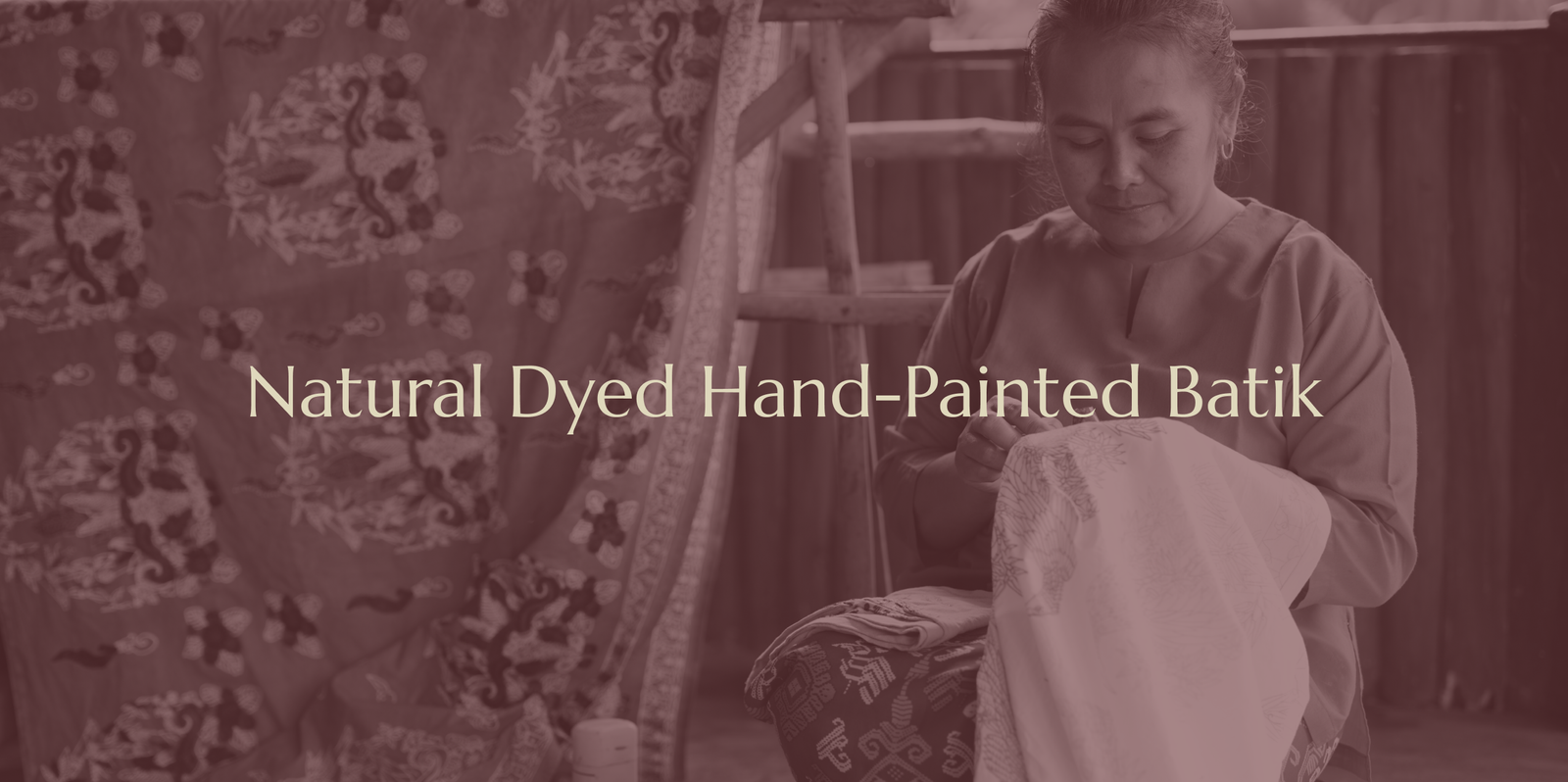
Batik Tulis Collection: Returning to the Roots
Discover the intricate art of batik tulis, a traditional hand-drawn wax-resist technique passed down through generations, where every line holds meaning.
This collection features batik pieces made by women artisans from the AKUR Sunda Wiwitan Indigenous community. The textiles in this collection were thoughtfully sourced by Jalinka as part of a shared process of support, which involved providing natural dye materials, strengthening artisan capacity, and supporting facilities.
We continue to accompany the community through knowledge-sharing and regenerative support, while these textiles represent a specific phase of that journey — honouring both their artistic expression and cultural continuity.
Drawn in slow, meditative strokes and coloured with plant-based ingredients from nature’s palette, each piece reflects ecological intimacy, spiritual care, and the quiet strength of living heritage.
These textiles are more than garments. They are living archives of resistance, rooted knowledge, and regenerative beauty.
✨ We believe that creations born through community processes deserve to be celebrated and shared with deep respect, as reflections of trust, connection, and intergenerational strength.
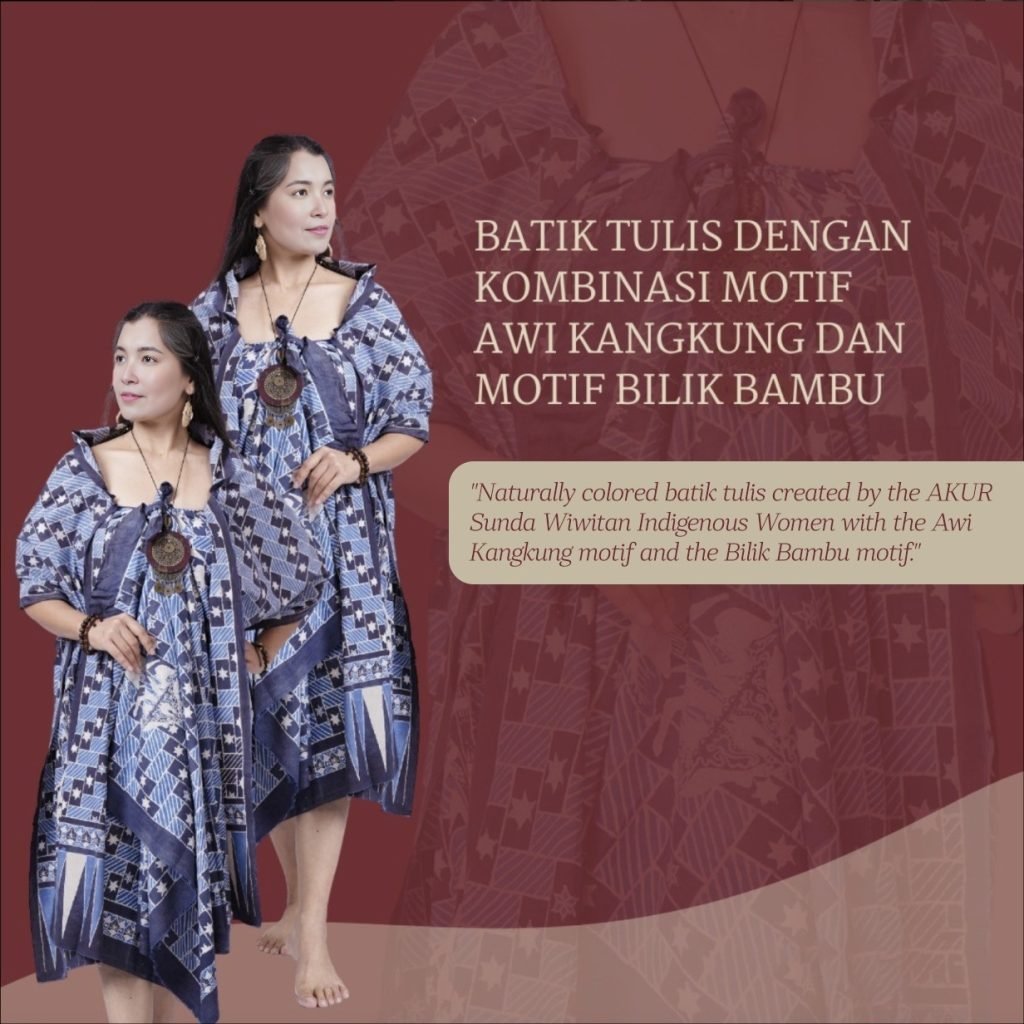
Batik Awi Kangkung
Hand-drawn. Earth-dyed. Rooted in ritual.
Created by women of the AKUR Sunda Wiwitan Indigenous community, Batik Awi Kangkung reflects a deep bond with land, heritage, and feminine artistry.
Its motif unites awi (bamboo) and kangkung, plants symbolizing nourishment and harmony, with the bilik pattern — symbolizing sanctuary, kinship, and woven connection.
Each textile is batik tulis, drawn using hot wax in slow, meditative strokes — no prints, no shortcuts.
The cloth undergoes a three-stage natural dyeing journey using materials gathered from the forest. Ten dips in jalawe create a golden base. Additional layers deepen the tone. In the final phase, tingi darkens the fabric, while tunjung, an iron-rich fixative, seals the colors.
This slow, intentional process honors the ecosystem and ancestral wisdom passed through generations.
✨ Not just worn — lived in. A batik that speaks the language of land and legacy.

Batik Tulis Motif Dapros
Time-etched. Earth-colored. Soul-crafted.
Dark, bold, and rooted in nature, Batik Dapros tells a quiet story of time, care, and the steady hands of women artisans. Each motif is hand-drawn using the batik tulis method, and each color is layered through a meticulous four-stage natural dye process that unfolds over nearly two months.
Its deep, captivating tone is crafted without synthetic dyes — only leaves, bark, minerals, and memory. The fabric breathes, evolves, and carries with it the essence of place and patience.
The Dapros motif reflects resilience and identity, passed down through generations as more than design, as language. Every line speaks of lived experience, of tradition held gently but firmly.
This is not just cloth. It is a vessel of time, a map of process, and a quiet resistance to disposability.
✨ Crafted over months. Meant to last for years.
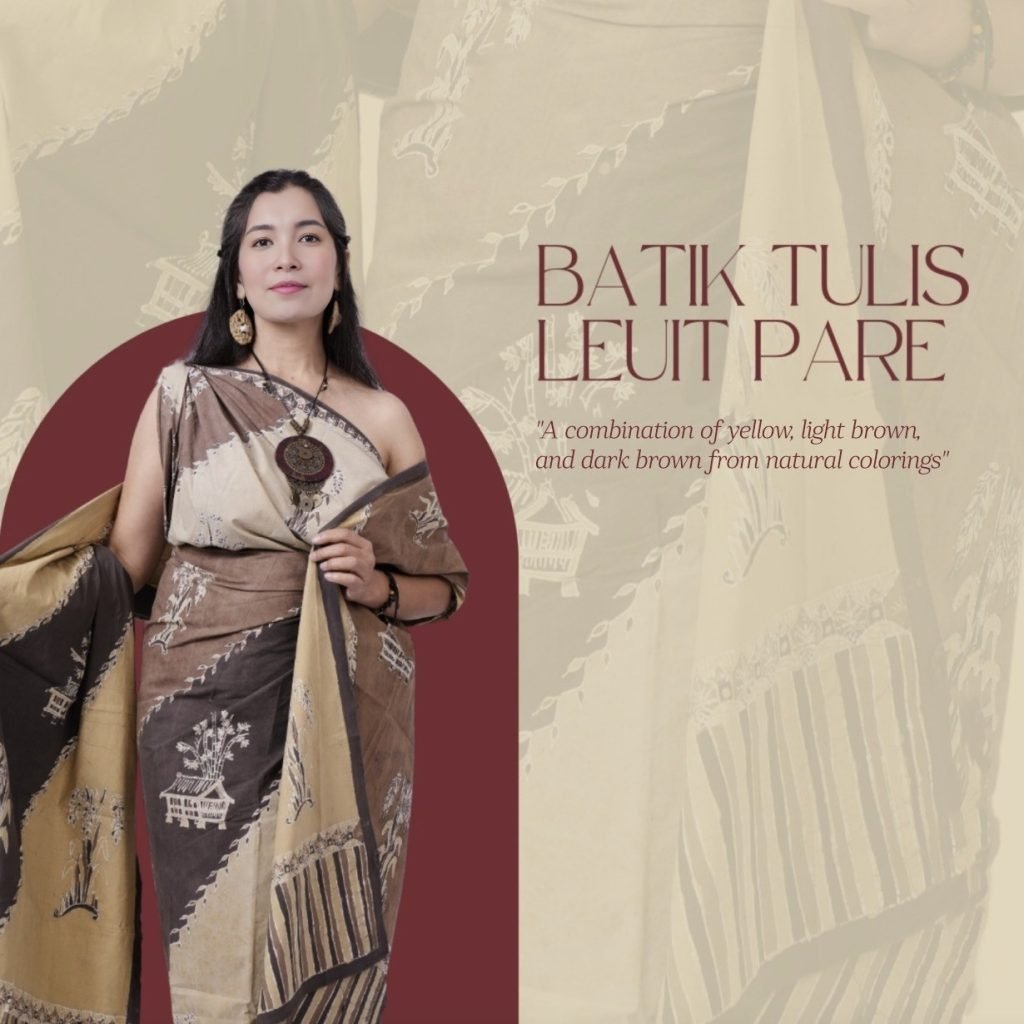
Batik Tulis Leuit Pare
Three earth tones. One story of resilience.
Leuit Pare, the traditional rice barn, symbolizes patience, abundance, and the sacred rhythm of nourishment in Sundanese life. As a hand drawn batik motif, it honors the quiet strength of women and their deep bond with the land.
Colored through a slow, three step natural dye process, each tone carries meaning. A golden yellow emerges from jalawe and alum. A soft brown forms through layers of plant dye. The final deep brown comes after further immersion, sealed with tunjung, a natural iron fixative.
No synthetic dyes. No shortcuts. Only forest, fabric, and care.
Each line is drawn by hand, each color guided by time. This is not just cloth. It is a story made visible — a living archive of culture and resilience.
✨ Rooted in ritual. Worn with reverence.
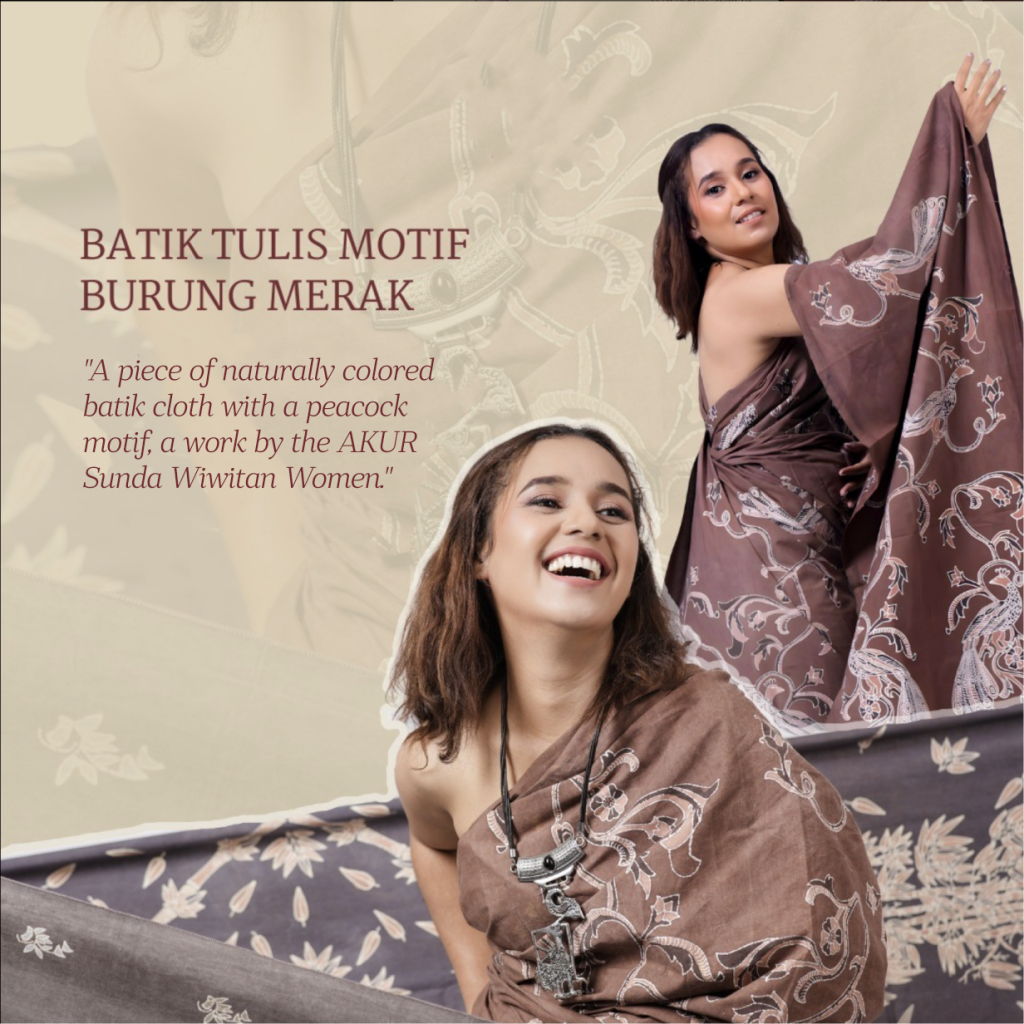
Peacock in the Fields
Batik Rooted in Ritual and Resilience
This hand drawn batik, colored with natural dyes and adorned with a vibrant peacock motif, is created by women of the AKUR Sunda Wiwitan community. Here, art flows with life — shaped by land, tradition, and care.
The dyeing process is slow and intentional. Using pigments from plants and household waste like onion skins and coconut husks, each tone is layered through skill and timing passed down across generations.
Often made while tending rice fields or guiding the young, each batik becomes more than clothing. It carries memory, strength, and the wisdom of women who live between ritual and responsibility.
No chemicals. No shortcuts. Only earth, wax, and patient hands.
This is not just fabric. It is a living story told in color. A quiet celebration of resilience and continuity.
✨ Worn with grace. Rooted in spirit. Alive with meaning.
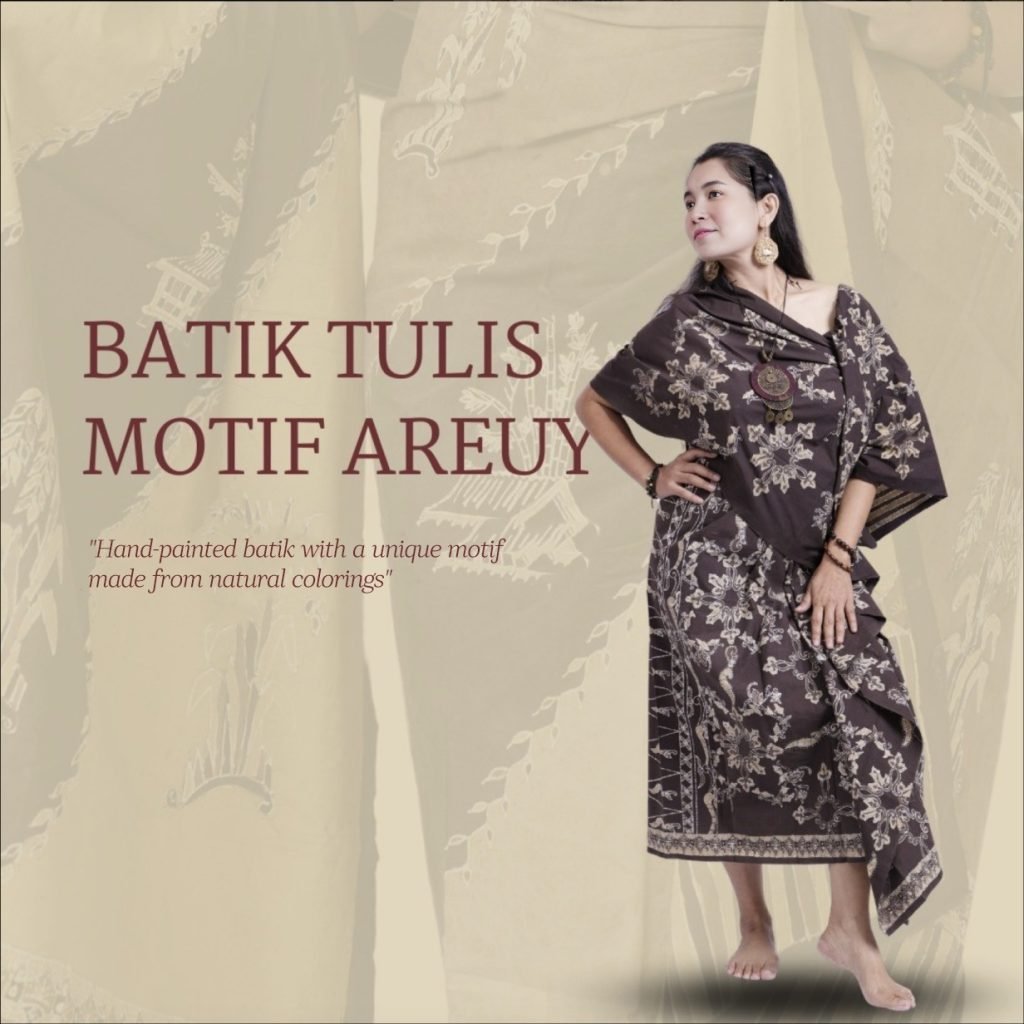
Batik Tulis Areuy
Hand-drawn. Earth-dyed. Growing with grace.
The Areuy motif reflects the movement of climbing plants — graceful and resilient, always seeking light and space. Just like the women who
create it.
Batik Tulis Areuy is drawn entirely by hand by women from the AKUR Sunda Wiwitan Indigenous community. It honors natural cycles, feminine strength, and quiet care. Each fabric is carefully batiked with wax, one line at a time, one color after another.
Its color palette is created through a three-stage natural dye process using ingredients from the forest and passed-down techniques.
First, the cloth is dipped in jalawe, producing a soft golden yellow.
Then, it is immersed in a natural dye bath and fixed with alum, turning the yellow into a light brown.
Finally, it is dyed in indigo, creating a deeper, darker tone that gives richness and calm.
The result is warm, earthy, and serene. A piece made with patience, skill, and inherited wisdom.
✨ Not woven. Not printed. Batik tulis — drawn by hand, held by heritage.
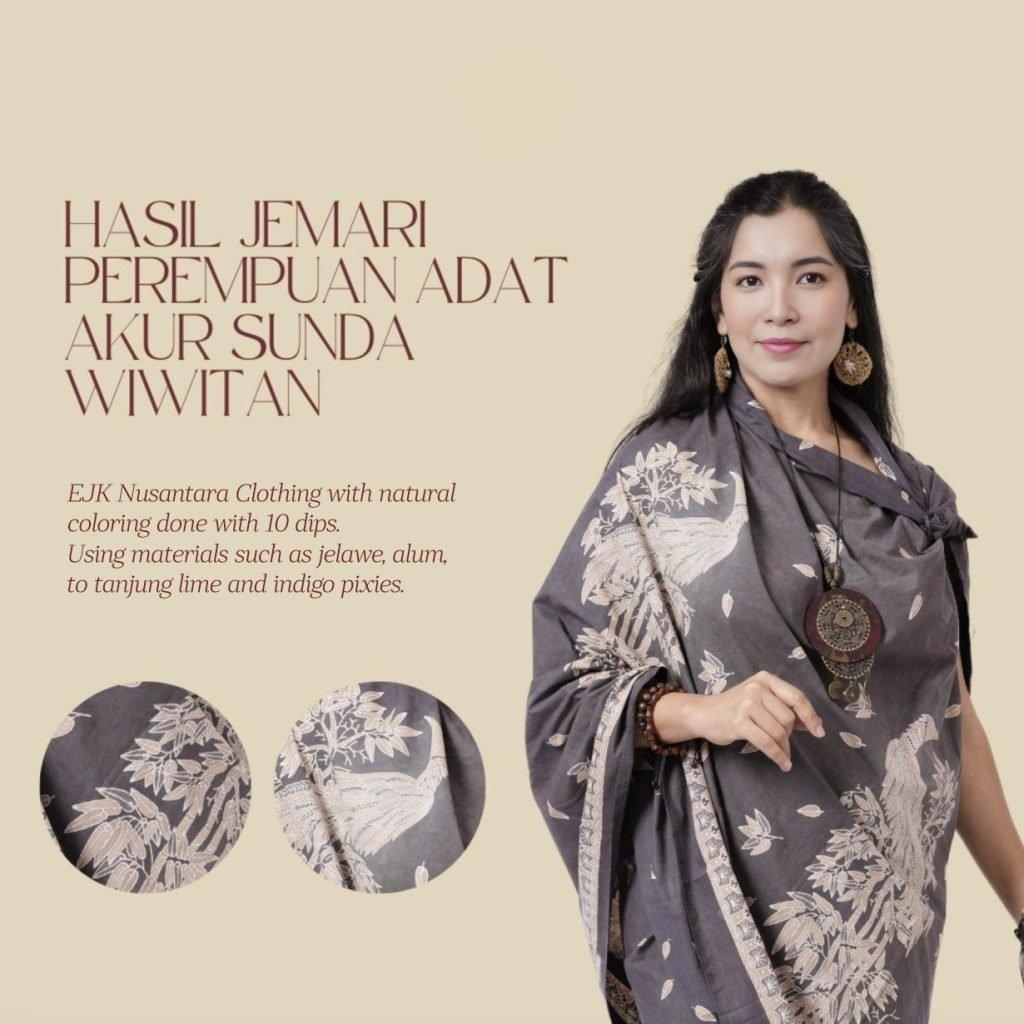
Batik Tulis Awi Surat
Drawn by hand. Dyed by nature. Rooted in meaning.
Worn here is the Awi Surat motif, a sacred expression created by women of the AKUR Sunda Wiwitan community. In their hands, batik becomes more than craft. It is a spiritual offering that connects earth, ancestry, and the divine.
Awi, the bamboo, speaks of roots and resilience. It symbolizes a worldview shaped by nature as teacher. Surat, meaning writing, reflects the sacred act of giving form to what cannot be seen.
Each piece is batik tulis, drawn slowly by hand and colored through a thoughtful process using natural materials.
The fabric begins in jalawe, glowing yellow, then is set with alum. It is prepared with kapur tunjung before indigo brings richness and depth.
Layer by layer, the cloth absorbs time, care, and intention. The result is a textile that holds memory, meaning, and presence.
This is not just something to wear.
It is something to carry with care.
✨ Awi Surat is not worn as fashion. It is carried as legacy.
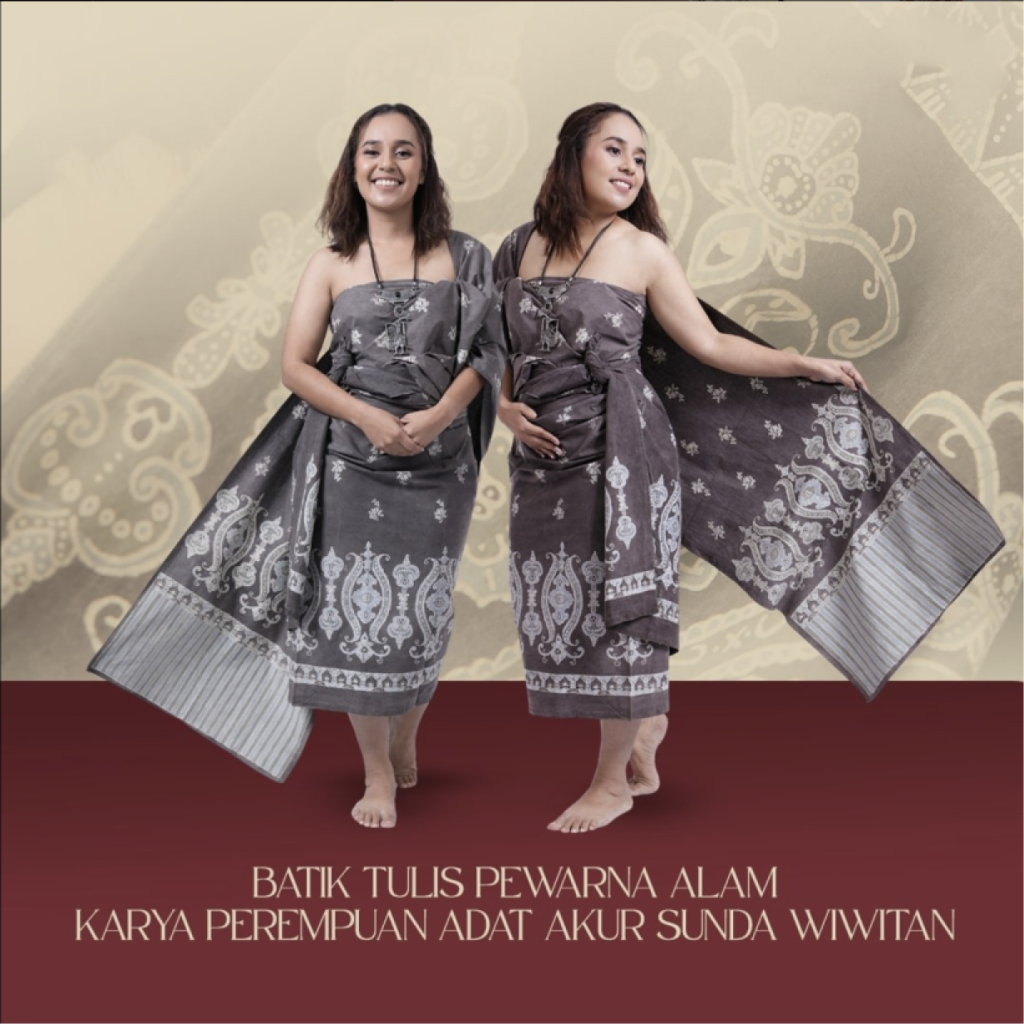
Batik Tulis Warna Hijau Bumi
Hand-drawn. Naturally colored. Born from ritual.
Each layer of color reflects the devotion of Indigenous women from the AKUR Sunda Wiwitan community, caretakers of land, memory, and mindful making.
This batik is crafted with more than wax and dye. It is made with time, care, and deep alignment with nature’s rhythm. The journey begins in indigo, where the fabric absorbs a deep sky-blue. Then it enters jalawe, a forest-derived yellow. Through the interaction of dye and lime, the cloth shifts into a soft, living green.
In the final stage, it is immersed in a dark natural concentrate, followed by a dip in tunjung, an iron-rich solution that anchors the color into the fibers.
Each shade is not just pigment. It is a dialogue among plants, water, minerals, and the quiet persistence of the women who guide them.
✨ This is not only fabric. It is memory, reverence, and resistance to forgetting.
Jalinka: The Learning Coat
Crafted from process. Worn with quiet power.
This coat carries the memory of women who dared to learn — and to begin again.
Made from naturally dyed batik cloth created during training sessions with Indigenous women artisans, The Learning Coat transforms practice into purpose. The fabric may hold uneven tones, unexpected patterns, or traces of trial — but none of it is wasted. Every imperfection is a signature of growth, a quiet tribute to the courage of starting.
To bring comfort and strength to the form, the batik is paired with linen cotton fabric — breathable, grounding, and timeless. This thoughtful combination reflects the essence of Jalinka: honoring roots while embracing renewal.
In Jalinka, even a learning cloth is honored.
Because it holds time, care, and the resilience of hands in transformation.
This is not just a coat. It is a celebration of becoming — of turning what once seemed unusable into something deeply useful, wearable, and full of soul.
✨ Nothing wasted. Nothing lost. Only the grace of process, stitched into something you can carry.
🔒 These motifs are rooted in the cultural knowledge of the AKUR Sunda Wiwitan community. The textiles were thoughtfully sourced as part of a shared phase of creative support. We continue to accompany the community and ask that these works not be reproduced or used commercially without the free, prior, and informed consent of the community.