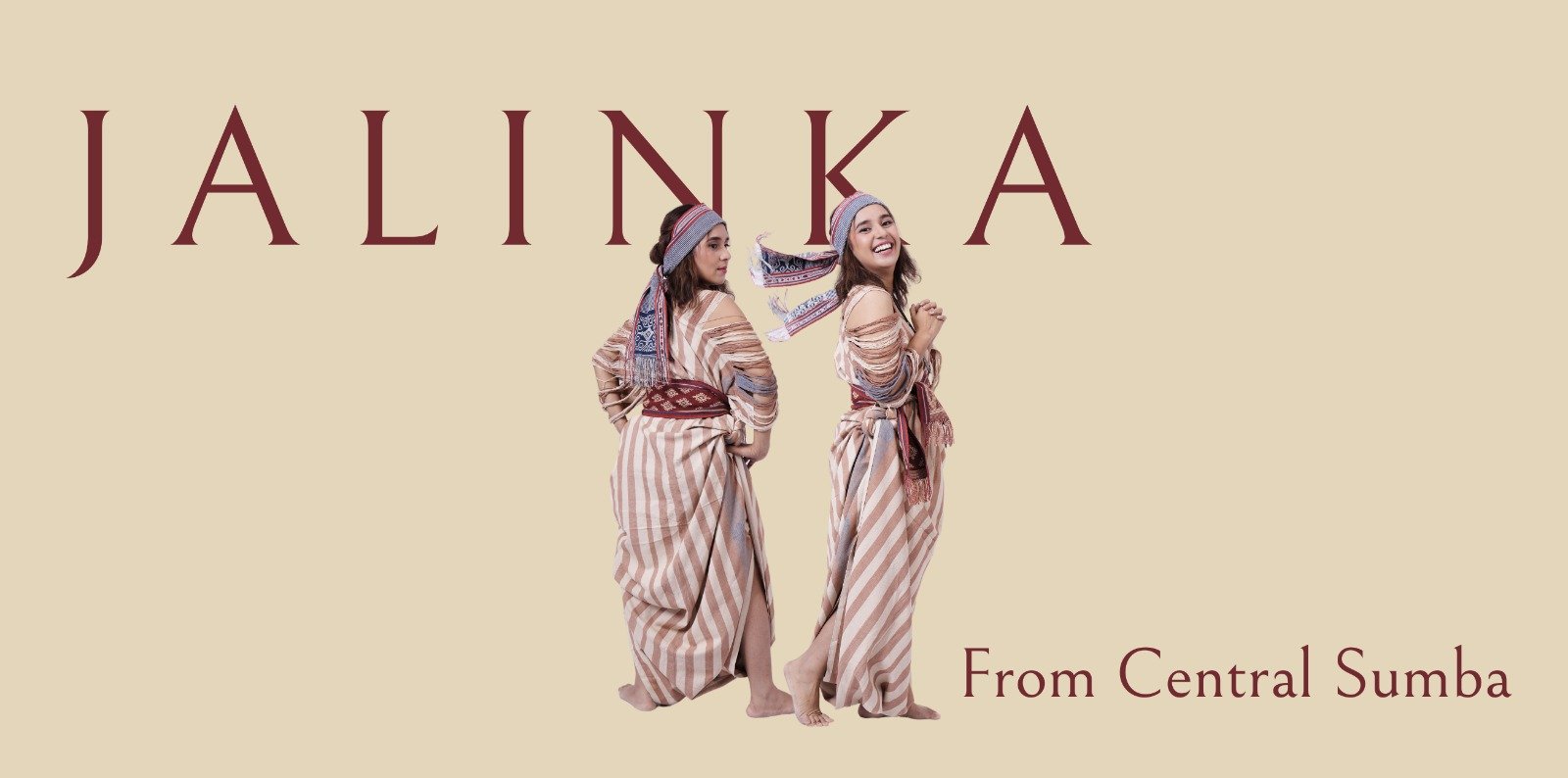
In a region marked by deep social vulnerability, Jalinka’s primary focus was assessing challenges and opportunities for regenerative women-led economies. As in East Sumba, we supported women weavers by providing materials and recognizing their craft through direct collaboration — acquiring textiles as part of a respectful exchange that supports both livelihood and legacy.
Most of the artisans engaged are survivors continuing their craft amid hardship, using natural dye practices that have been passed down through generations. This process honors their work as an act of healing, continuity, and quiet strength — rooted in both cultural memory and care for the land
🔒 These motifs are cultural expressions rooted in community identity. We share them with respect for their origin, and kindly ask that they not be reproduced or used commercially without the free, prior, and informed consent of the community.