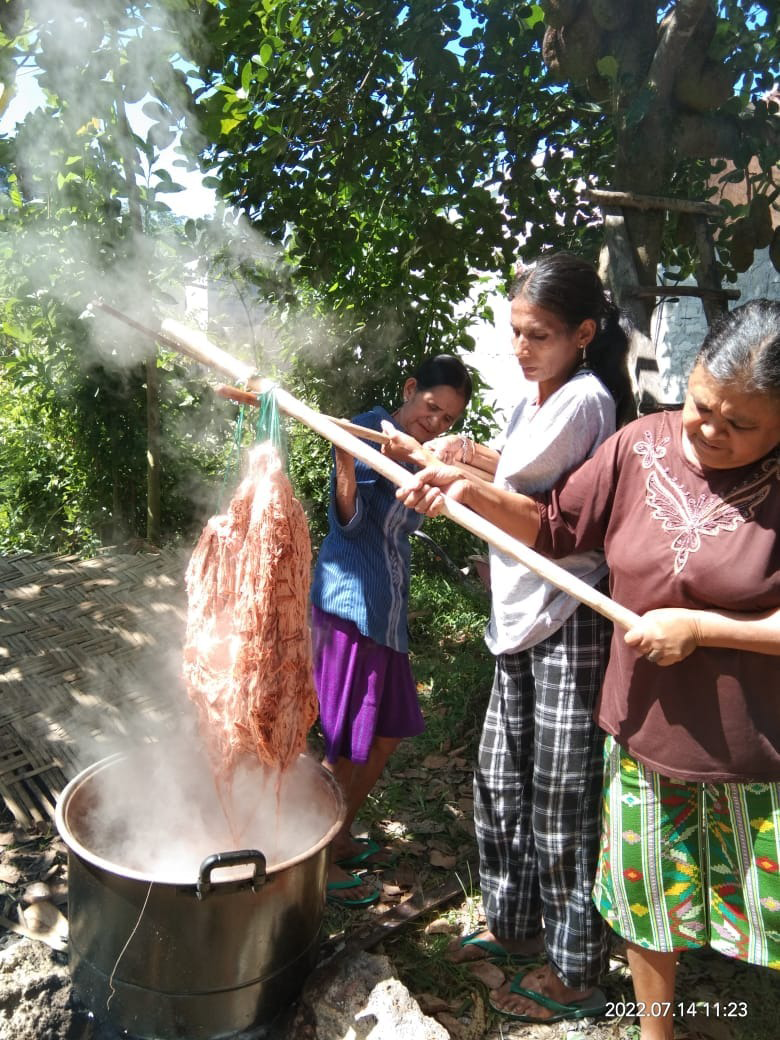
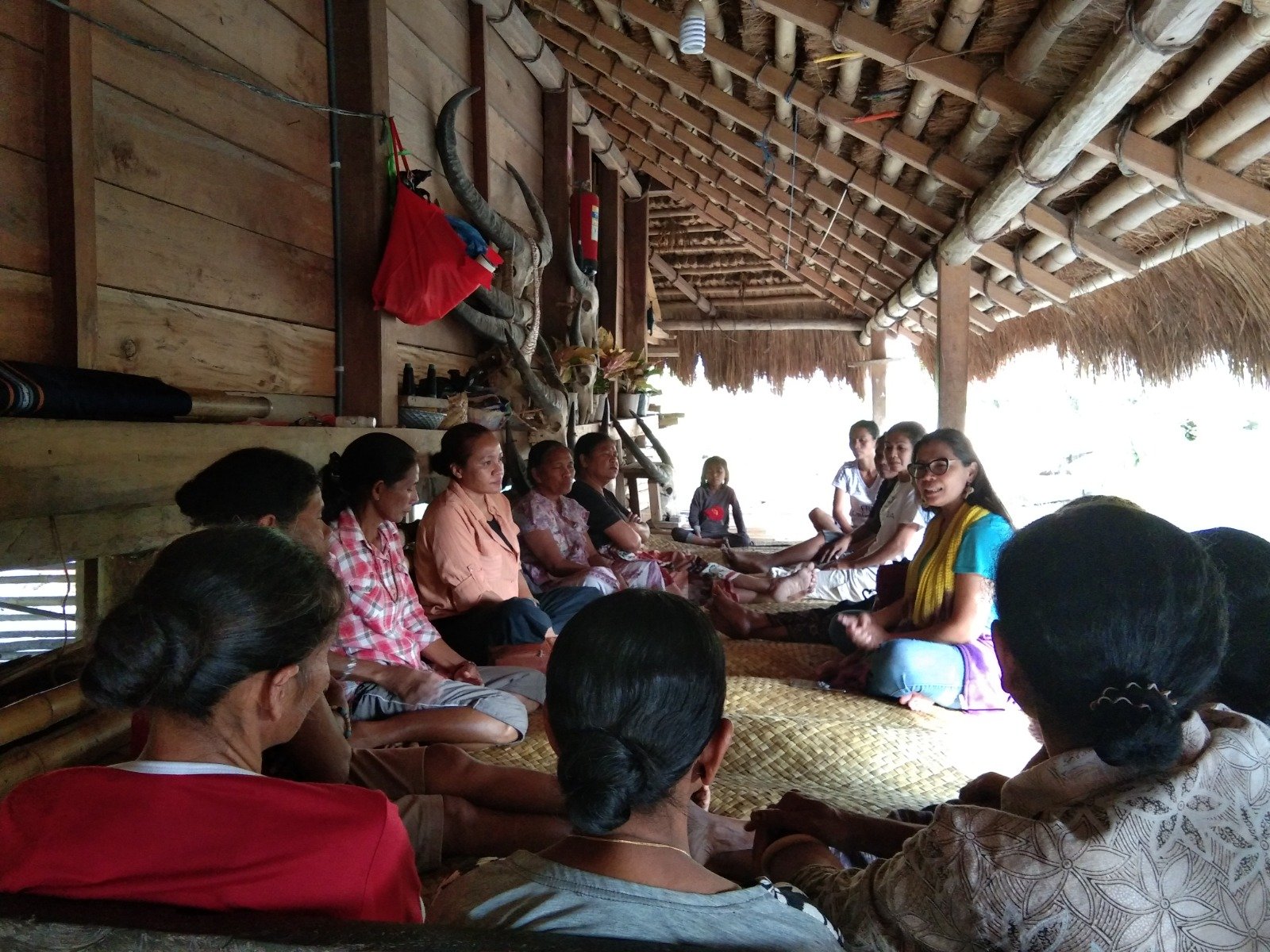
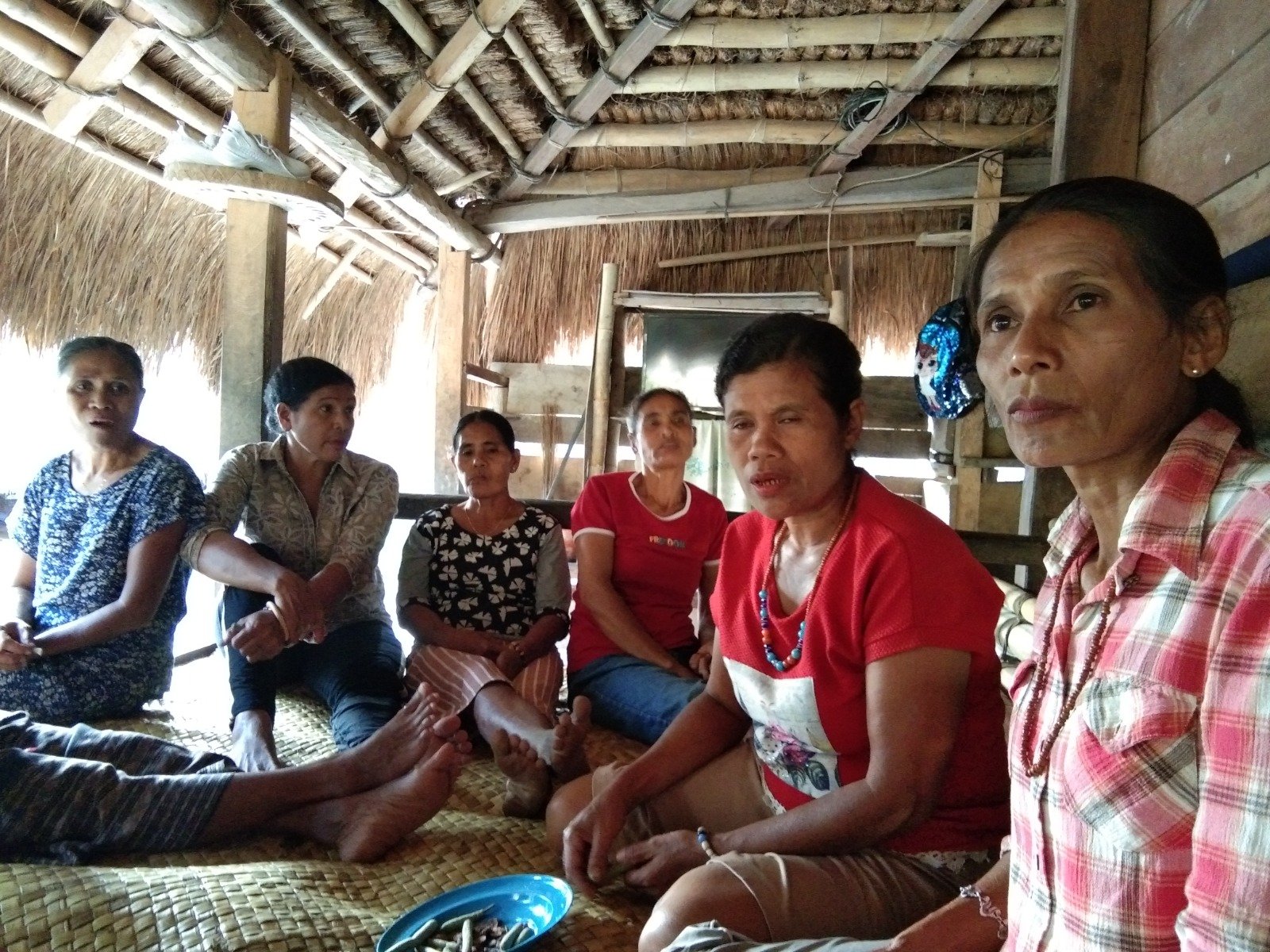
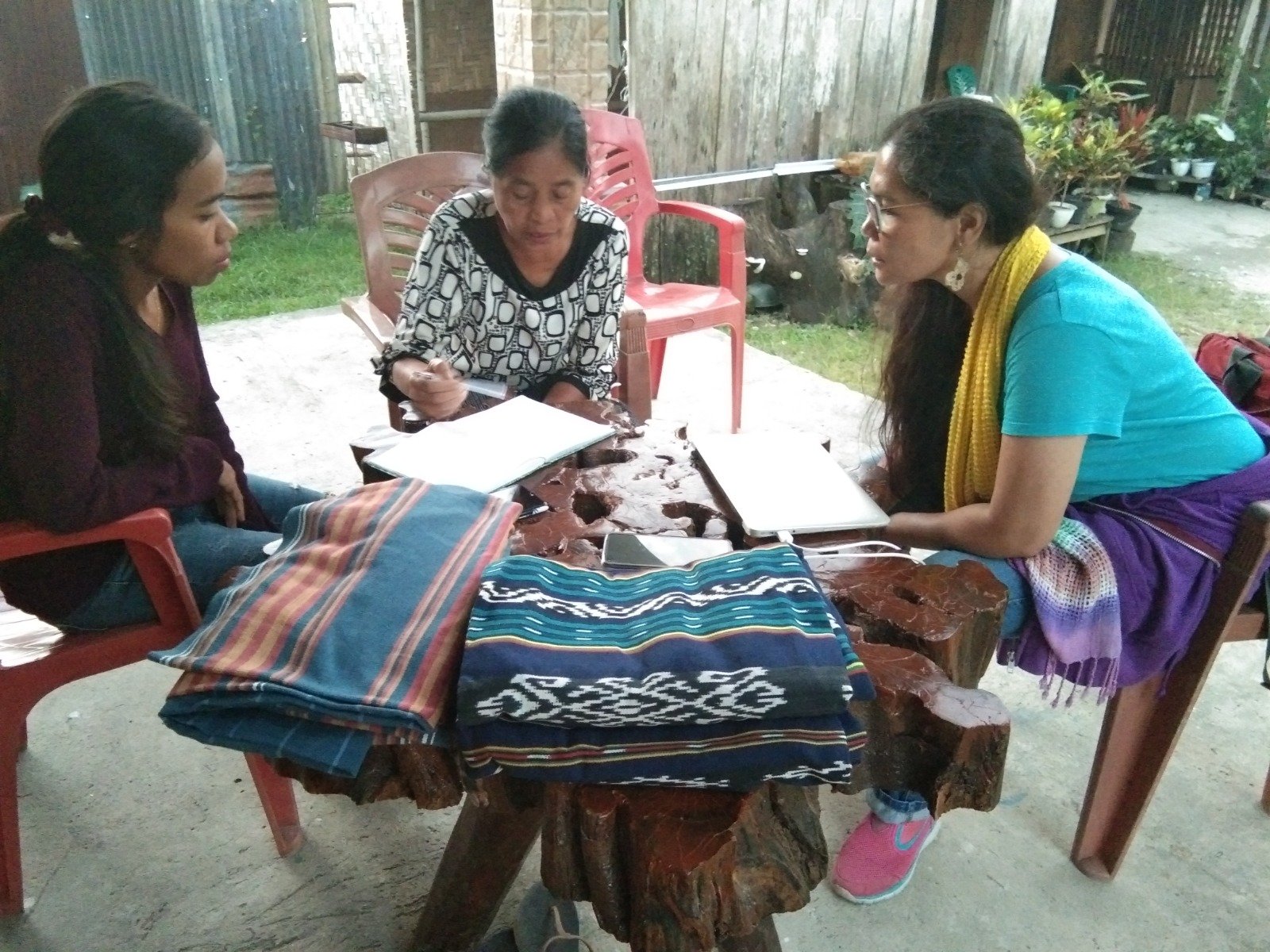
Jalinka conducted a needs assessment with 13 Indigenous women artisans and 10 growing weavers — including youth and craftswomen from diverse local backgrounds — while also supporting their natural dye weaving revival.
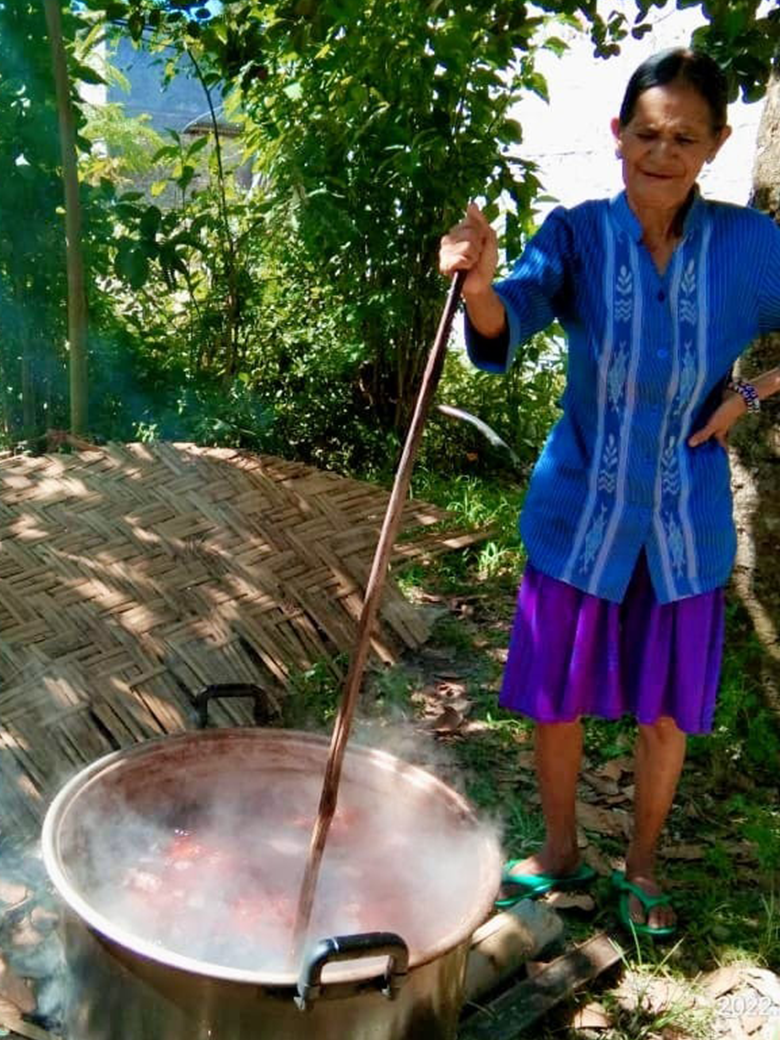
We facilitated community-led training sessions, provided plant-based dye materials, and brought their works into our collection as part of our shared journey. These sessions became spaces of mutual learning — where ancestral dyeing practices were not only sustained, but also shared across generations and backgrounds. The process strengthened collective creativity, ecological awareness, and cultural continuity among both experienced artisans and younger weavers stepping into the craft.
Before any dye touches cloth, we begin by listening — conducting a careful assessment of local needs, knowledge, and opportunities. This process brings us into dialogue with artisans, including male yarn spinners and women weavers, to understand their daily lives, roles, and aspirations.
We observe not only the craft, but the resilience behind it: invisible labor, economic challenges, and gendered responsibilities that shape the rhythm of making. From these shared moments, we learn what support is meaningful, and what futures are possible.
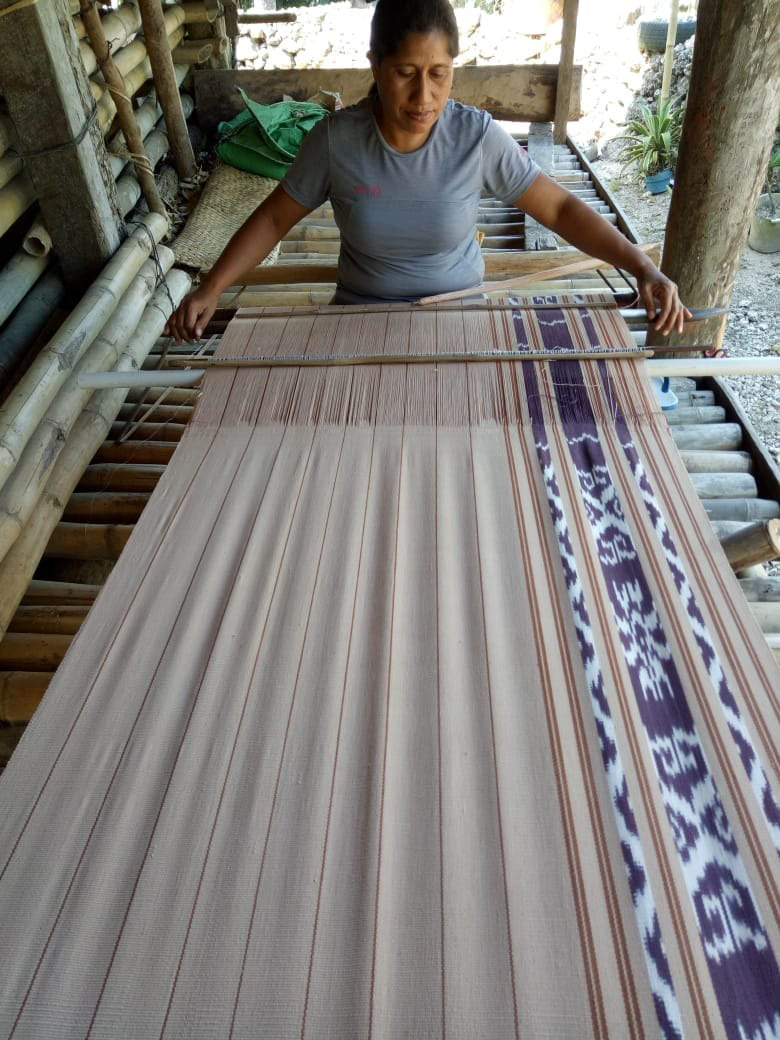
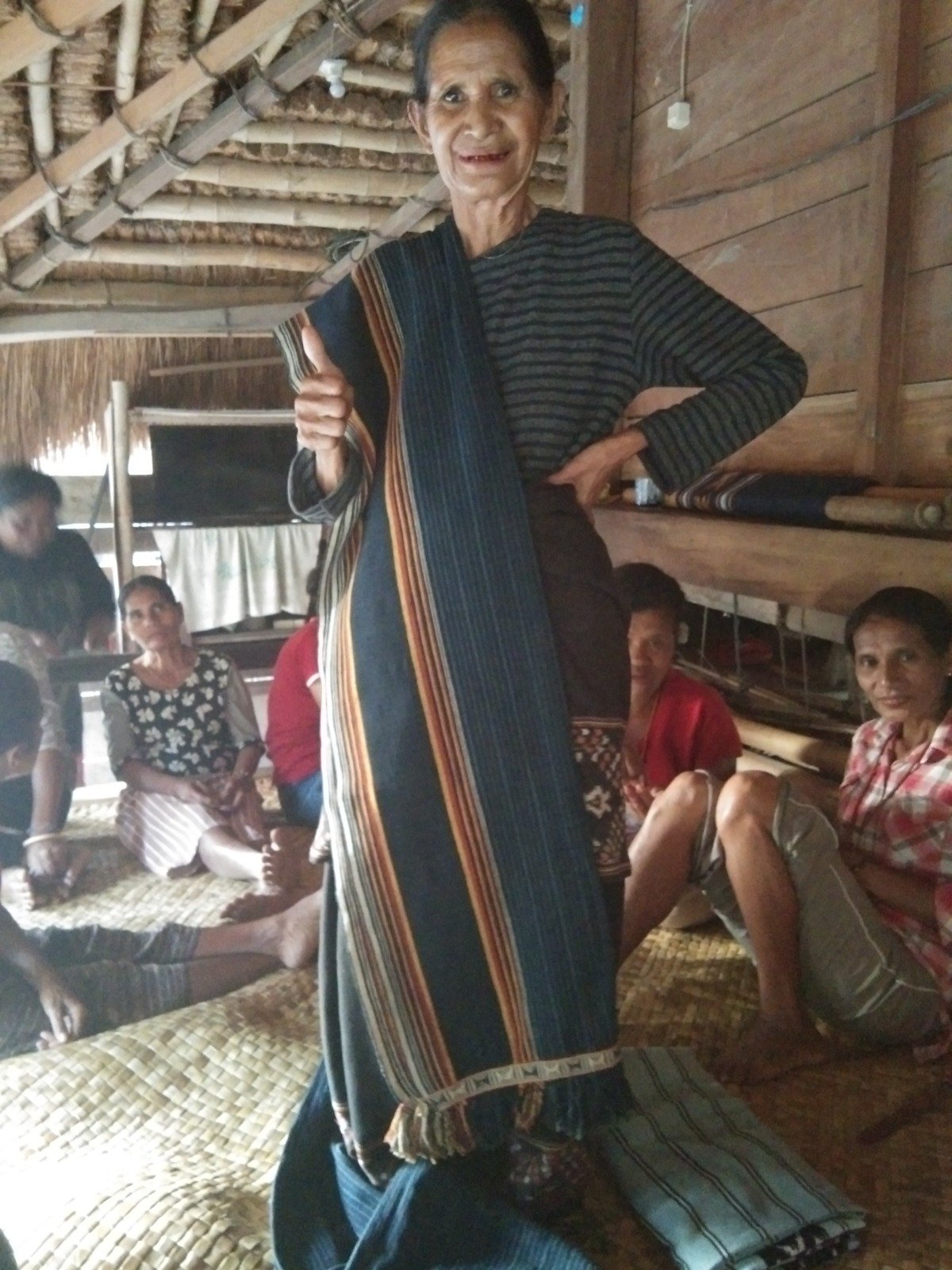
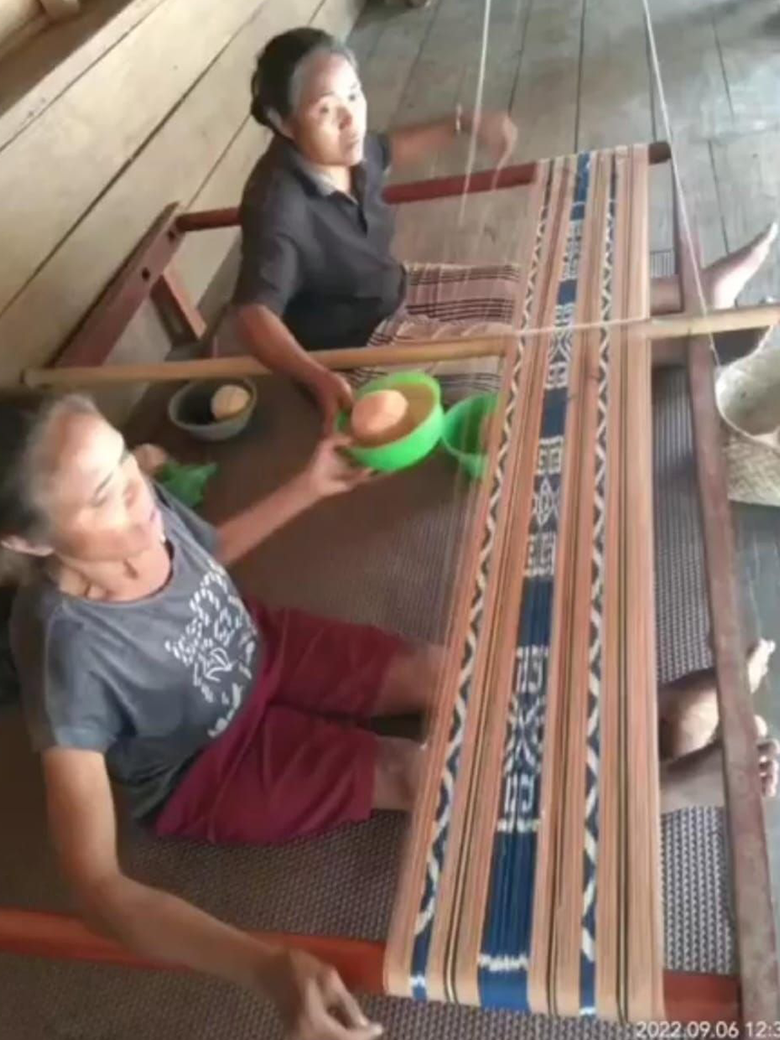
The weavers practice plant-based dyeing and handweaving techniques passed down through generations — rooted in ecological intimacy and cultural continuity.
Their work reflects a quiet mastery shaped by time, tradition, and a deep respect for the land that sustains them.
🔒 These motifs are cultural expressions rooted in community identity. We share them with respect for their origin, and kindly ask that they not be reproduced or used commercially without the free, prior, and informed consent of the community.