Toward a Collective Mark: Protecting Culture, Strengthening Community
In May 2024, the World Intellectual Property Organization (WIPO), led by Garima Sahdev and her team including Selahuddin Hashim, initiated a foundational scoping process in Kampung Pasir, Garut, as part of its global efforts to explore collective mark protection for traditional and Indigenous communities. For this session, WIPO invited Indonesia’s Directorate General of Intellectual Property (DGIP) to join as a national counterpart.
Jalinka was honored to support the process on the ground, having previously introduced the Kampung Pasir community to WIPO — an early connection that helped spark WIPO’s interest in conducting a scoping session in the area. Our role focused on facilitating meaningful community participation and anchoring the conversation within the lived realities of cultural artisans.
The session brought together Indigenous women artisans from the Empu Jalin Karsa (EJK) community, local youth, elders of the AKUR Sunda Wiwitan tradition, and the regional Industry and Trade Office (Disperindag).
Rather than a conclusion, the session marked a beginning — initiating conversations on the importance of community-owned identity, cultural stewardship, and the legal recognition of collective knowledge. It was a space where the lived experience of craft met the possibilities of protection, dignity, and intergenerational continuity.
Since then, Jalinka has taken independent steps to carry the process forward, continuing what WIPO had sparked — not as a solitary effort, but as part of a wider commitment to co-create responsibly. In addition to Kampung Pasir, we are currently working to engage three other women-led artisan and youth communities outside Garut, laying the foundation for a shared identity through the preparation of a collective mark.
This process is not carried out alone. We are actively coordinating with key actors — including government agencies, cultural leaders, and technical experts — to ensure that this next phase is not only inclusive and locally grounded, but also ethically governed and sustainable.
This journey is not only about safeguarding products — it’s about naming what matters. It is about ensuring that craft, care, and cultural meaning are recognized not just in markets, but in memory and in the future we shape together.
As this initiative continues to unfold through collective dialogue, we ask that any use or adaptation be guided by FPIC principles and respect for shared authorship.
This video was documented by the Industry and Trade Office (Disperindag) of Garut Regency—a local government body—and is used with shared permission. It captures part of the collective mark scoping process initiated by WIPO (led by Garima Sahdev) in May 2024, in coordination with the Directorate General of Intellectual Property (DGIP), and facilitated on the ground by Jalinka.
Your voice is part of this story. Thank you for reaching out.
Leave us a message through the form below — we’d love to hear from you.
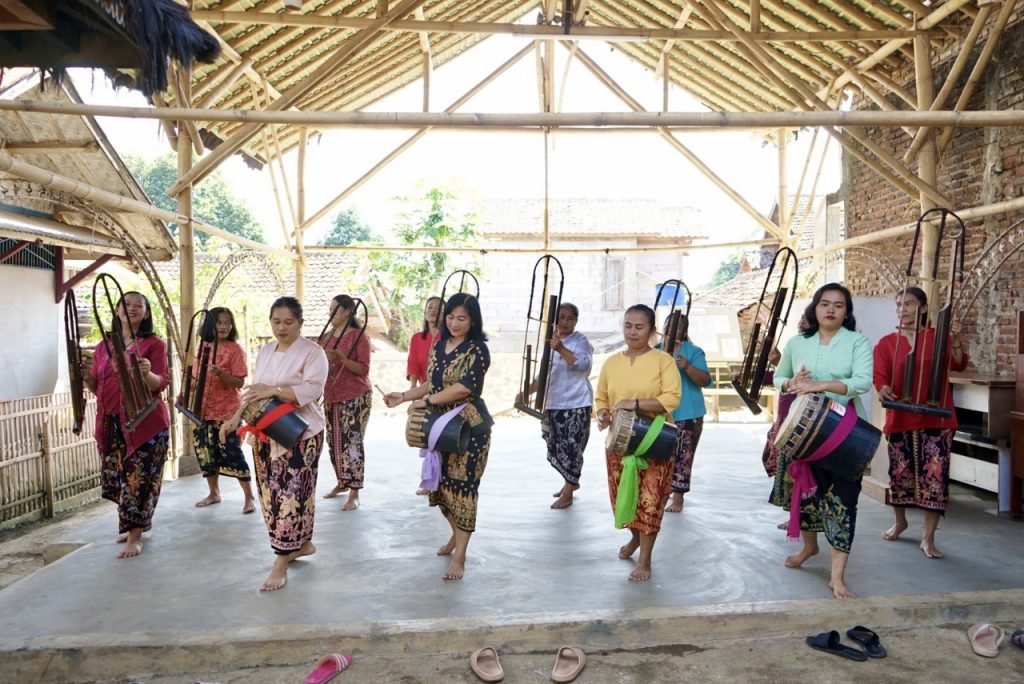
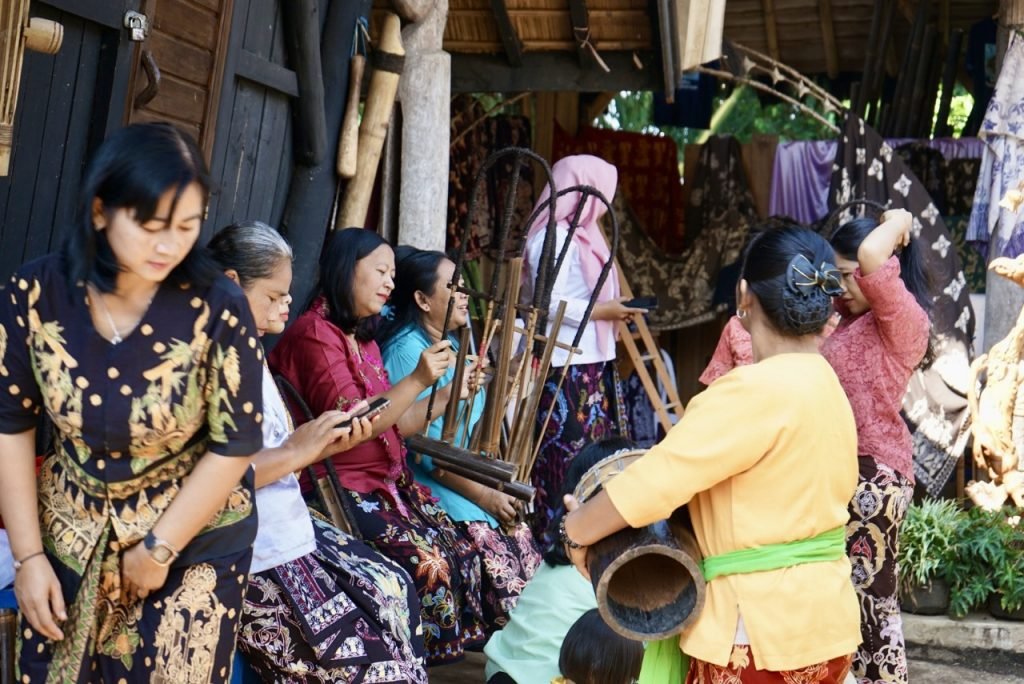
Performed as a welcoming gesture by Indigenous women artisans from the batik community. These women are not only skilled in creating hand-drawn batik, but also in singing and playing traditional music. Their craft is more than what they weave or draw: it carries the living rhythm, memory, and spirit of their culture.
Sound and Music: Angklung Buncis
Songs: Tonggeret and Buncis
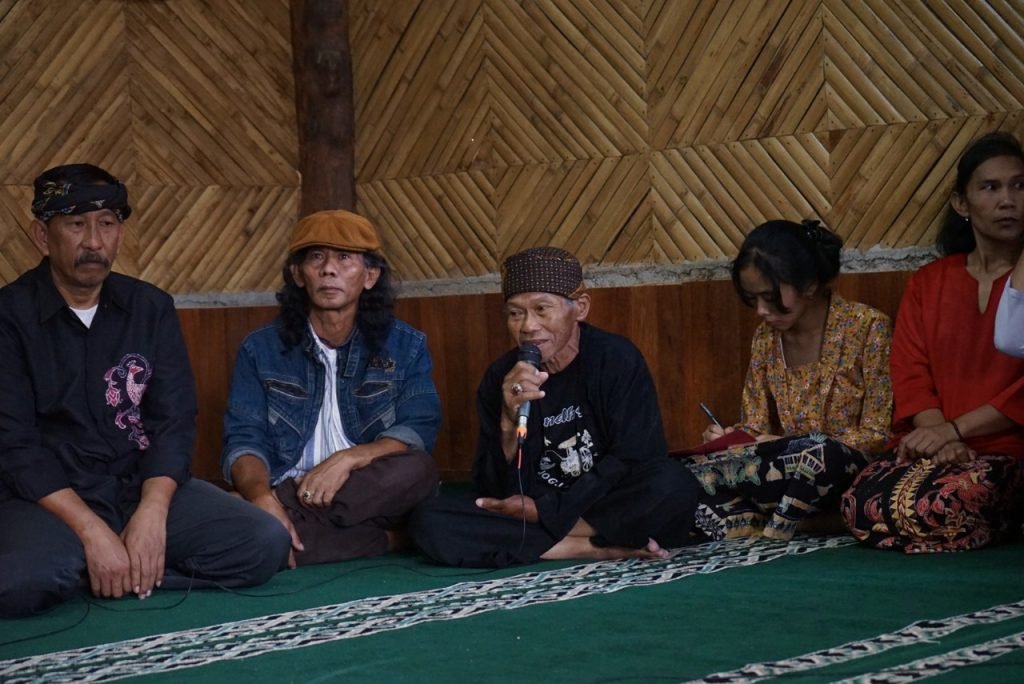
The traditional leader of Kampung Pasir, Garut, delivered his welcome remarks during the visit of representatives from WIPO and DGIP of Indonesia.
On the far left is Pak Agus, a local batik mentor and retired officer from the Department of Industry and Trade. Beside him is the artisan behind Kampung Pasir’s signature batik patterns, now brought to life by women artisans in their hand-drawn batik fabrics.
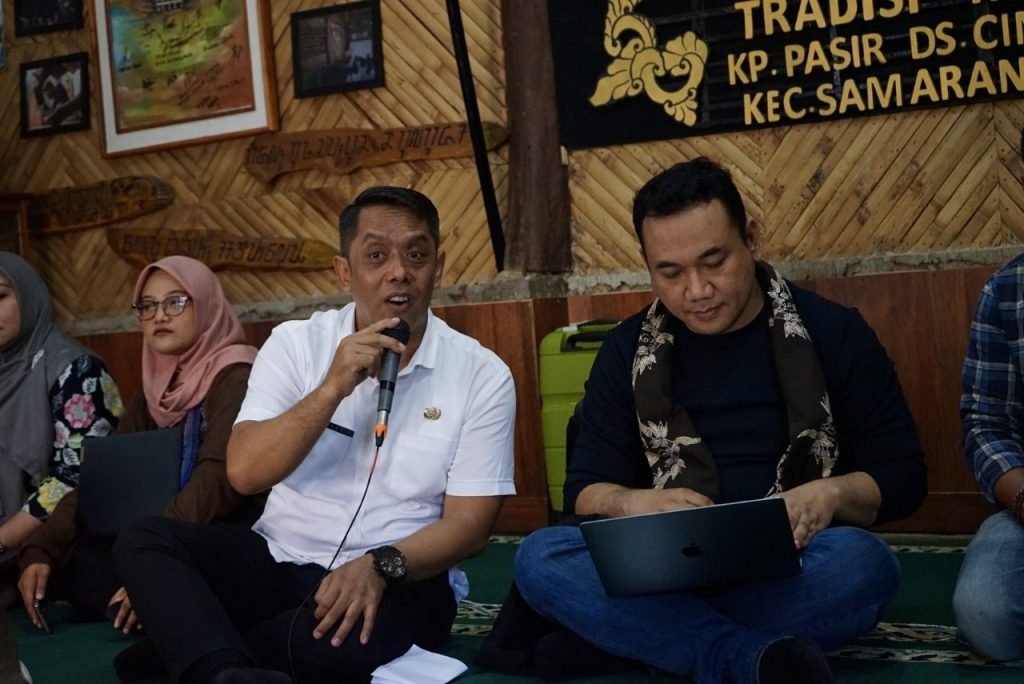
Bapak Ricki Rizki Darajat, SH, M.Si, Secretary of the Department of Industry, Trade, Energy and Mineral Resources (Disperindag ESDM) of Garut Regency, shared his thoughts on the importance of strengthening the creative economy through the work of Indigenous artisans from Kampung Pasir. Seated beside him is Salahuddin Hashim, WIPO Consultant.
A Thread Offered, A Space Shared
(Where Innovation Meets Ancestry: A Journey from Quiet Work to Collective Recognition)
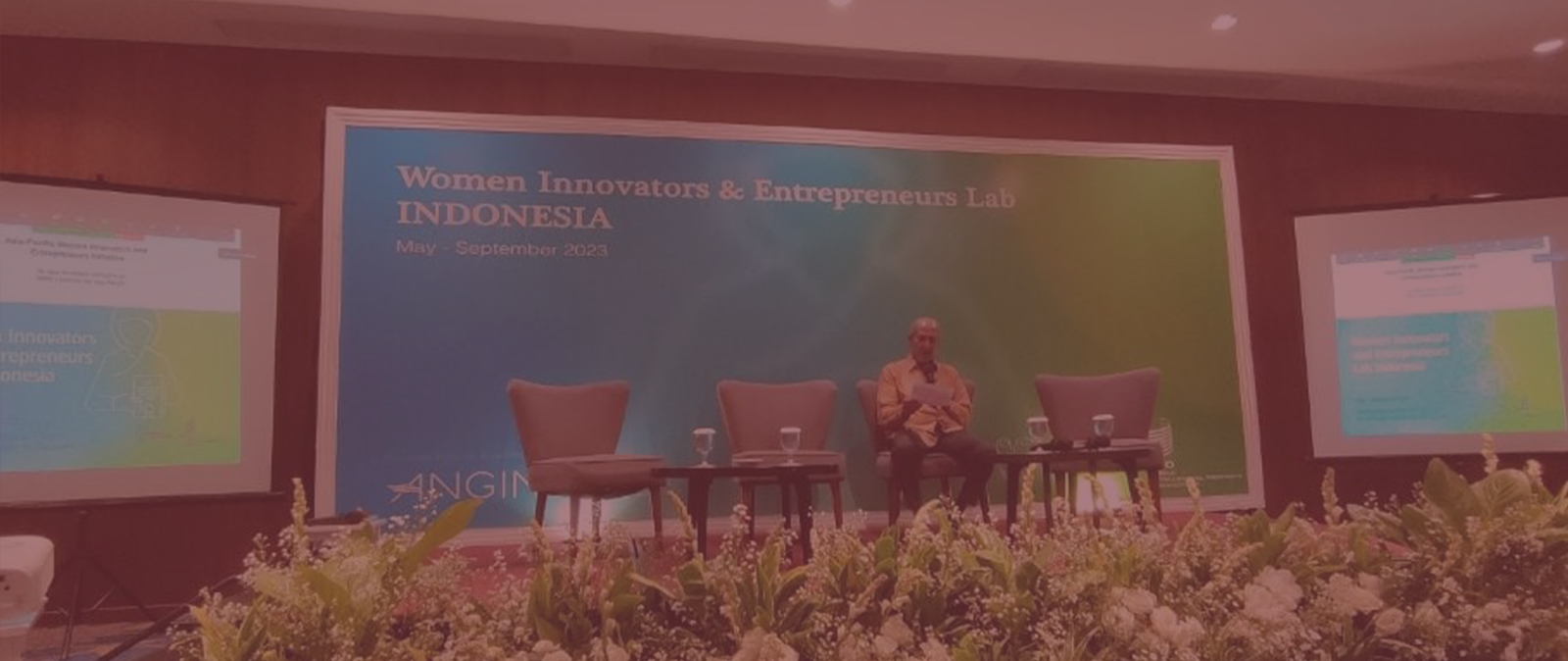
In 2023, Zubaidah Djohar—poet, peacebuilder, and founder of Jalinka—was selected to join the inaugural WIPO Women Innovators & Entrepreneurs Lab – Indonesia, a program recognizing women-led enterprises that weave together innovation, cultural purpose, and social care.
For Zubaidah, this was not simply a milestone, but a continuation of the quiet work she had long nurtured: building Jalinka as a regenerative enterprise rooted in ancestral knowledge, Indigenous artistry, and intergenerational connection.
At the Lab, her practice found resonance. What began as a place-based movement stood on a global platform—where the creative labor of women artisans could be seen not only as craft, but as collective intellectual property. It became a space to explore deeper questions:
1. What does ownership mean when knowledge is shared in community?
2. How do we protect cultural memory while allowing it to grow?
Zubaidah joined with the intention to listen, to learn, and to share — offering what has long grown quietly through community, care, and lived experience. Her participation affirms what Jalinka has always believed:
Regeneration is innovation. And the future of fashion begins with a thread.
Reimagining IP from the Ground Up
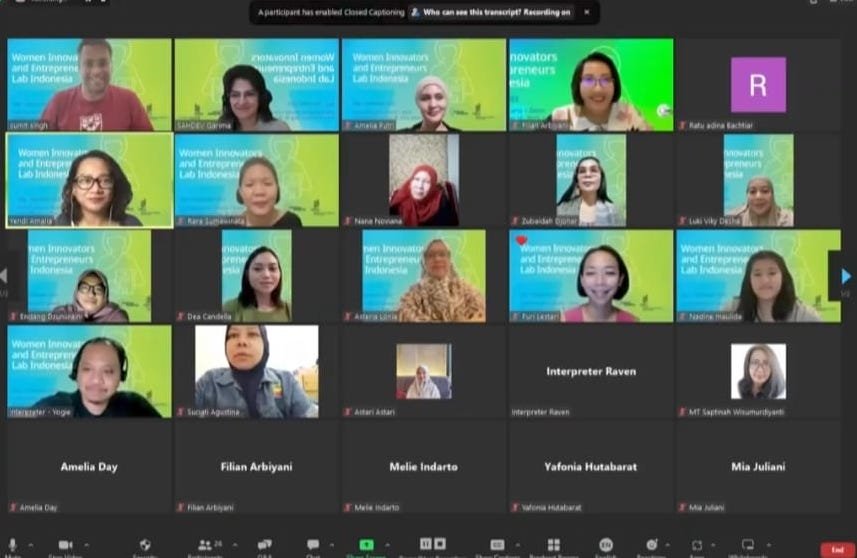
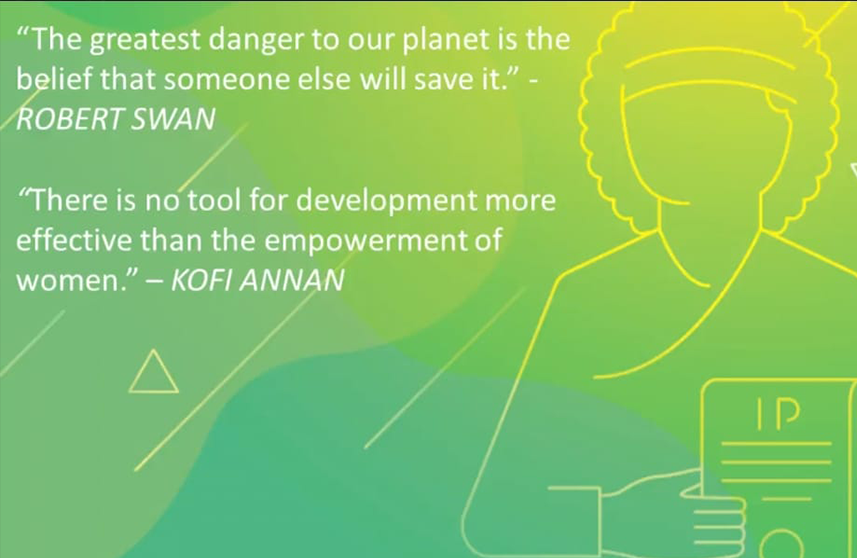
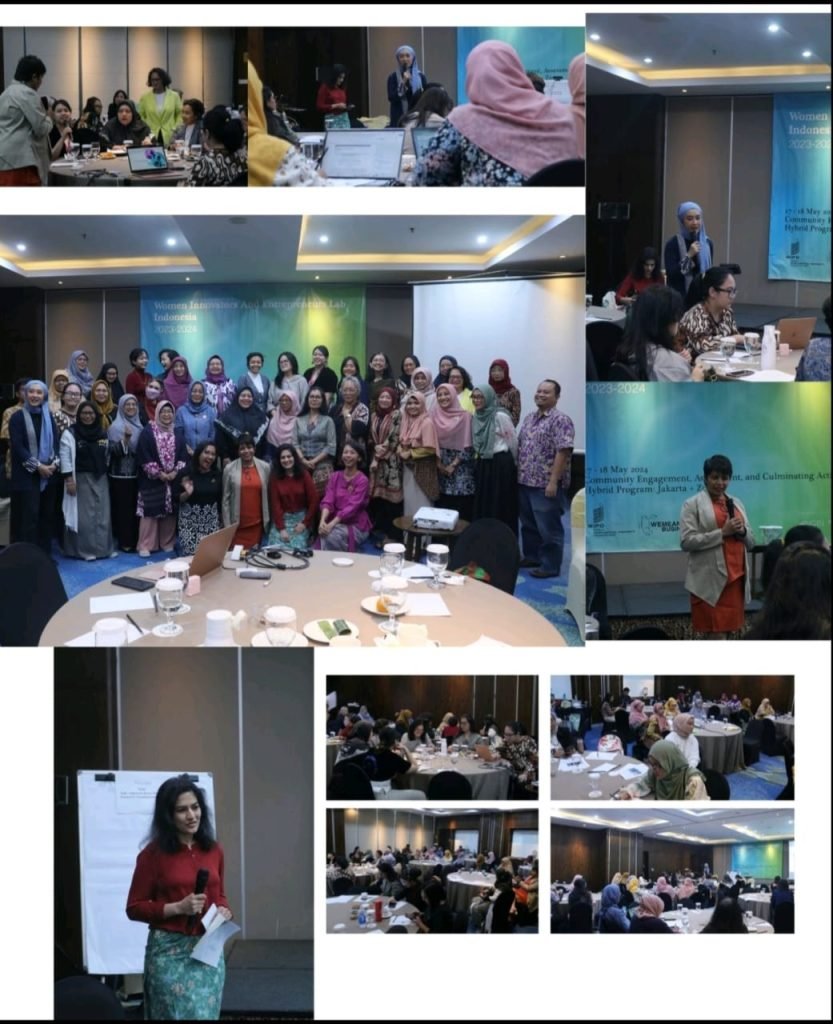
This process unfolded during the WIPO Women Innovators & Entrepreneurs Lab 2023, a learning journey where women creators and changemakers came together to explore the meaning and power of Intellectual Property (IP). Over several months, participants engaged deeply with diverse perspectives, challenged assumptions, and shared lived experiences. More than knowledge, it became a space of becoming: enriching skills, expanding connections, and shaping ethical, inclusive, and sustainable practices for the future.
For Jalinka, this journey was more than a program. It was a space to reflect, reclaim, and reimagine the role of IP rooted in community care. Bringing stories from the ground — from women artisans to youth creators — Jalinka explored how IP can honour collective wisdom, strengthen cultural authorship, and sustain regenerative economies led by women and young people.
Part of Jalinka’s Ethical IP Practice — rooted in care, consent, and shared authorship. Collective mark scoping completed. Multi-stakeholder collaboration in progress for formal registration. Reproduction or commercial use without permission is prohibited.