
Threads of Thought
Threads of Thought is a living space for listening, questioning, and co-creating.
In these circles — whether in a sawung, on woven mats, across digital screens, or within global gatherings — we hold space for voices too often overlooked: women artisans, youth innovators, and community stewards.
These are not just conversations.
They are quiet interventions
where eco-fashion meets feminist economics,
where cultural memory becomes policy insight,
where lived experience reshapes what we understand as knowledge.
Rooted in care and shared intention, Threads of Thought invites us to speak, to listen, and to imagine otherwise — across places, generations, and ways of knowing.
Engaging in Global Dialogue: Future Action Summit 2025
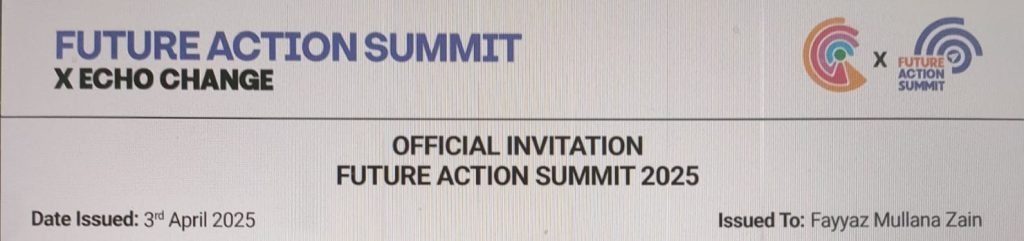
Image: Official Invitation issued by Future Action Summit x Echo Change, 3 April 2025.
Fayyaz Mullana Zain has been invited to join the Future Action Summit 2025, hosted by Echo Change — a global platform that brings together changemakers, youth leaders, and innovators working at the intersection of social impact, sustainability, and inclusive transformation.
Taking place on 25–28 April 2025, the Summit is recognized for its competitive and curated selection process, offering space for intergenerational dialogue and action-oriented collaboration to address today’s most urgent global challenges.
Fayyaz’s participation aligns with their dedication to regenerative futures, gender-inclusive innovation, and community-powered ecosystems through Empu Jalin Karsa (Jalinka) — a social enterprise advancing cultural heritage, circular economy, and digital storytelling.
This engagement reflects our ongoing journey to co-create a future where peace, equity, and purpose are woven into everyday transformation.
Reclaiming Peace Through Threads and Stories
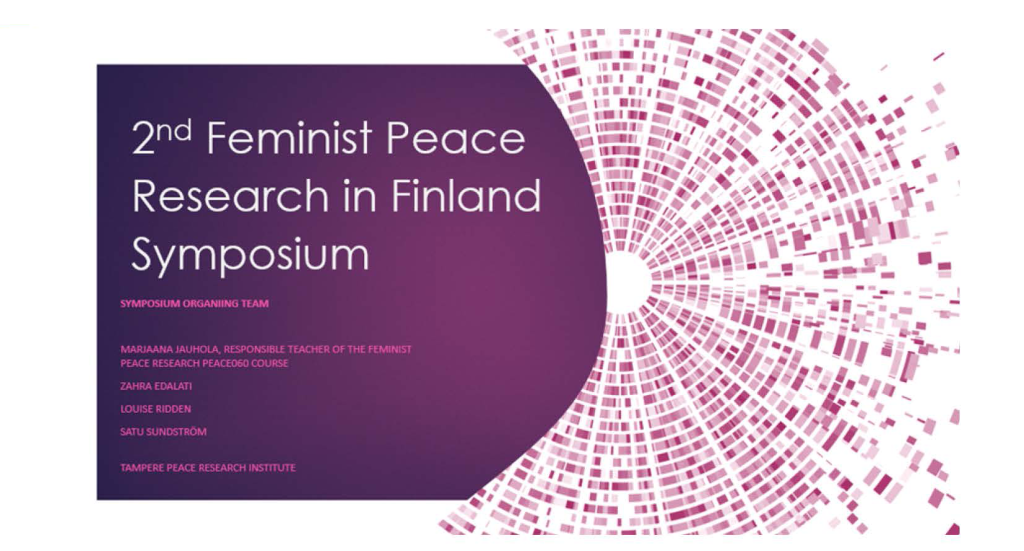
Image: Official banner of the 2nd Feminist Peace Research Symposium, Tampere University, Finland (2024).
In May 2024, Zubaidah Djohar — poet, peacebuilder, and founder of Jalinka — contributed to the Feminist Peace Research Symposium, hosted by the Feminist Peace Research Network at Tampere University, Finland. Participating online, she presented her video work titled:
“Finding the Book of Life in the Land of AKUR: A Community-Based Feminist Approach to Creative Economy, Peace, and Sustainability.”
Set in the heart of the AKUR Sunda Wiwitan Indigenous community in Garut, Indonesia, the work traces how cultural knowledge, ecological care, and women’s economic agency come together through craft-based practices rooted in tradition.
The project bridges sustainable business development with women’s autonomy and environmental awareness. Through an initiative led by Empu Jalin Karsa (EJK) in close collaboration with the community, women artisans advanced their natural dyeing techniques while also engaging in leadership, negotiation, and resource literacy — strengthening their roles not only as makers, but as cultural stewards and economic actors.
This story is not only about craft, but about justice — where regeneration becomes a form of peacebuilding, and batik becomes a living text of resistance, healing, and intergenerational memory. In this approach, women are not simply trained; they are seen, supported, and centered as leaders in shaping a just and sustainable future.
Drawing from years of lived experience and quiet community work, Zubaidah offered a perspective shaped by care, cultural resilience, and a belief in peace built from the ground up. That knowledge, when rooted in community, can become a force for justice — and that peace is not imposed, but patiently woven, one thread at a time.
Collaborative Screening & Discussion
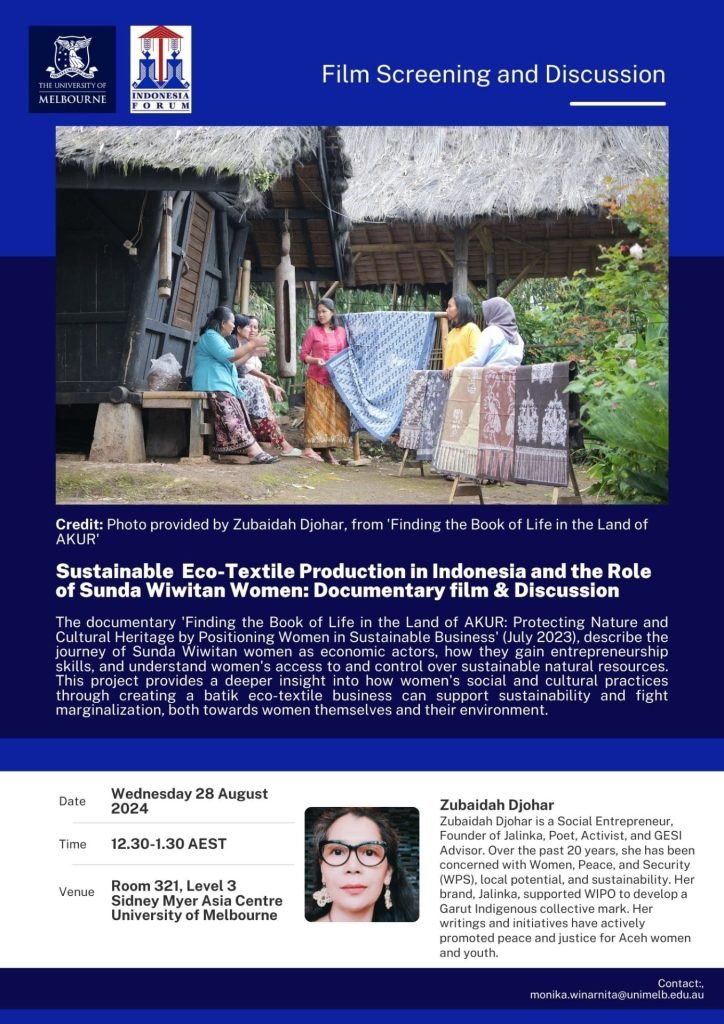
Hosted by the Indonesia Forum, University of Melbourne
A collaborative screening and discussion hosted by the Indonesia Forum, led by Dr. Monika Winarnita, University of Melbourne — bringing together researchers, experts, students, and key stakeholders.
The event featured the documentary Finding the Book of Life in the Land of AKUR, produced by Jalinka – EJK, highlighting community-based feminist approaches to creative economy and sustainability in Garut, Indonesia.
The film showcases how Indigenous women from the AKUR Sunda Wiwitan community are revitalizing natural-dye batik as a form of ecological expression, economic empowerment, and cultural regeneration. It reflects a model where craft becomes a medium for justice, environmental stewardship, and women-led transformation.
🔗 Click the image to watch the full documentary.
📍 Location: University of Melbourne, Australia
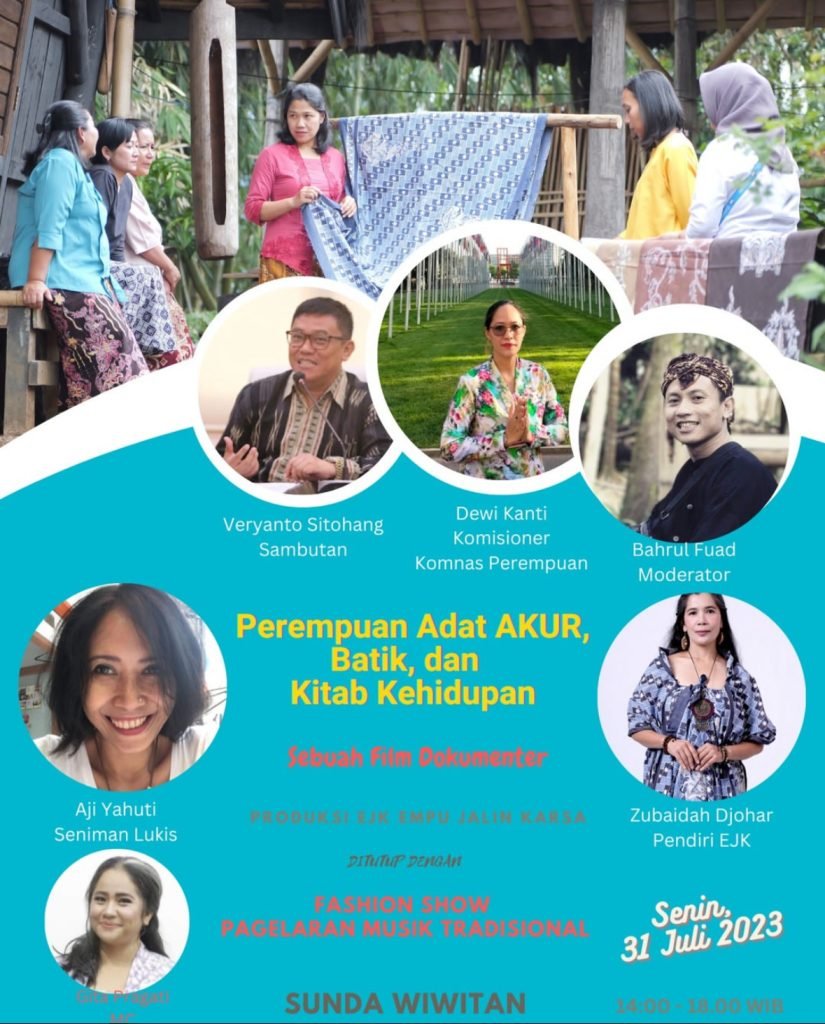
Jalinka collaborates with the Indonesian National Commission on Violence Against Women (Komnas Perempuan) to showcase the creations of Sunda Wiwitan indigenous women from Kampung Pasir directly to a broader and more diverse community, including key stakeholders such as media, researchers, fashion enthusiasts, academics, the private sector, and government. Indigenous women actively present and discuss their eco-friendly batik artworks, highlighting their roles, challenges, and efforts in preserving ancestral culture and environmental sustainability.
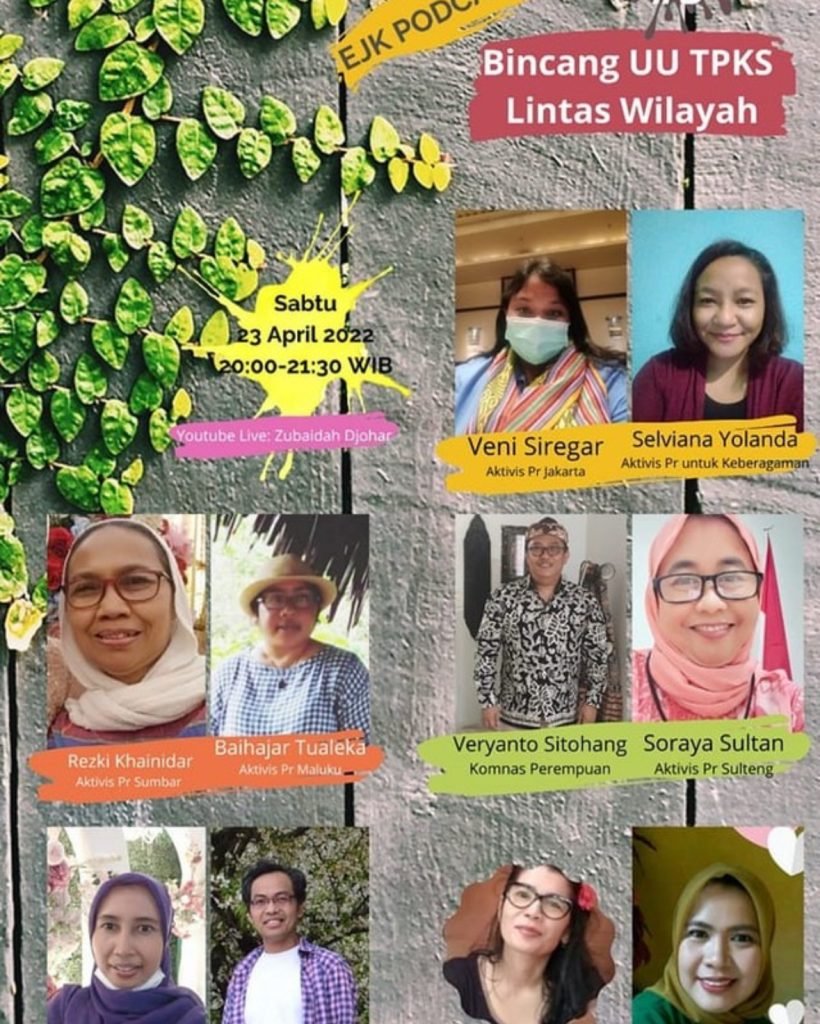
Jalinka initiated cross-regional discussions to critically assess Indonesia’s Sexual Violence Crime Law shortly after its enactment. These discussions emphasized bodily autonomy, legal protection, and the role of socio-political and cultural systems, connecting directly with Empu Jalin Karsa’s commitment to supporting women’s agency, empowerment, and their rights to cultural and environmental sovereignty.
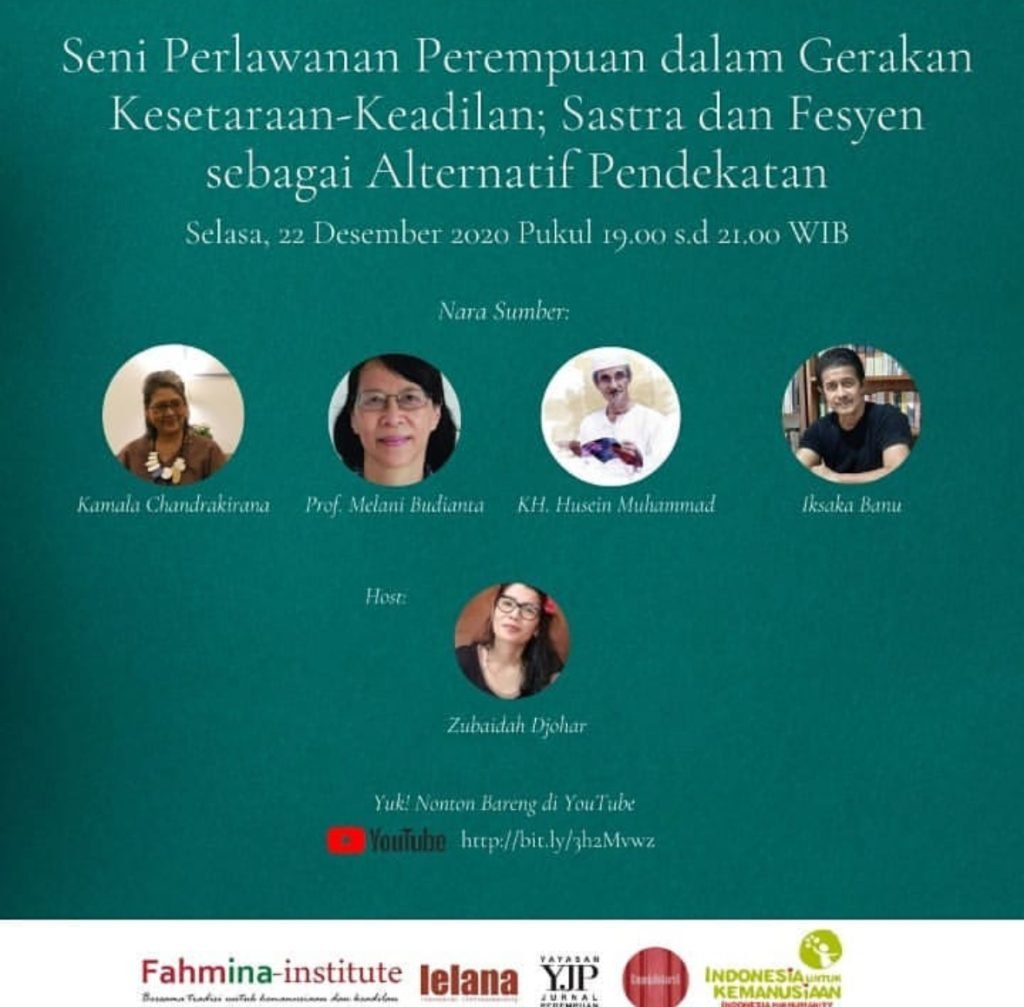
On December 22, 1928, Indonesian women held their first Congress, advocating for women’s rights in education and marriage. Celebrating this historic moment, Jalinka hosts dialogues featuring influential speakers such as Prof. Melani Budianta, Kiyai Husein Muhammad, historical novelist Iksaka Banu, and Kamala Chandrakirana, founder of Indonesia untuk Kemanusiaan, to reflect on women’s empowerment, resilience, and collective action for equality and justice.
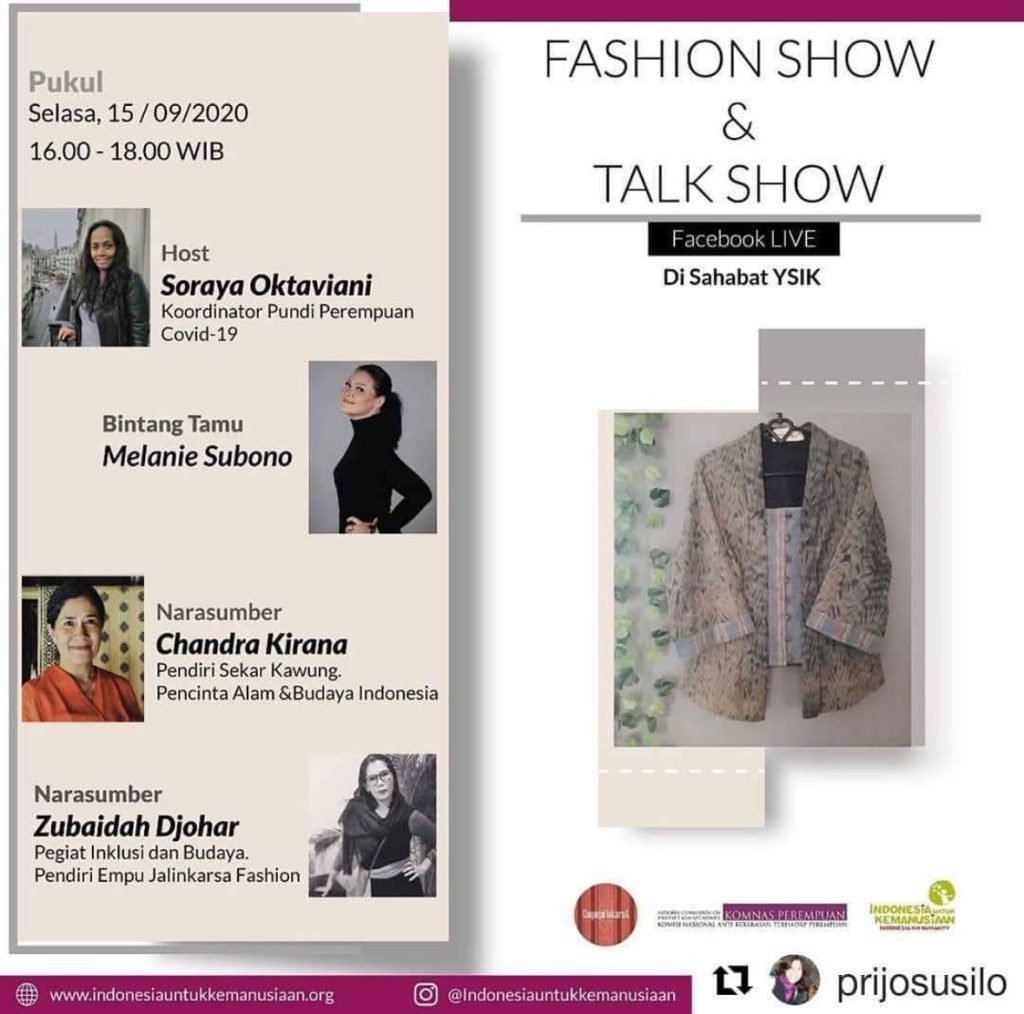
Empu Jalin Karsa, in collaboration with IKa, launched a creative initiative during the COVID-19 pandemic to support women survivors of violence through protection and healing. Under the theme “We Are Here Together, Let Us Protect One Another”, the project celebrates Indonesia’s cultural diversity and women’s lived experiences through naturally dyed textiles. The collection features 25 garments, masks, and hats made from fabrics sourced across the archipelago and crafted by grassroots women artisans. In partnership with Sekar Kawung Foundation and joined by social changemakers like Melanie Subono and Sha Ine Febriyanti, the initiative amplifies messages of sisterhood, resilience, and collective healing.
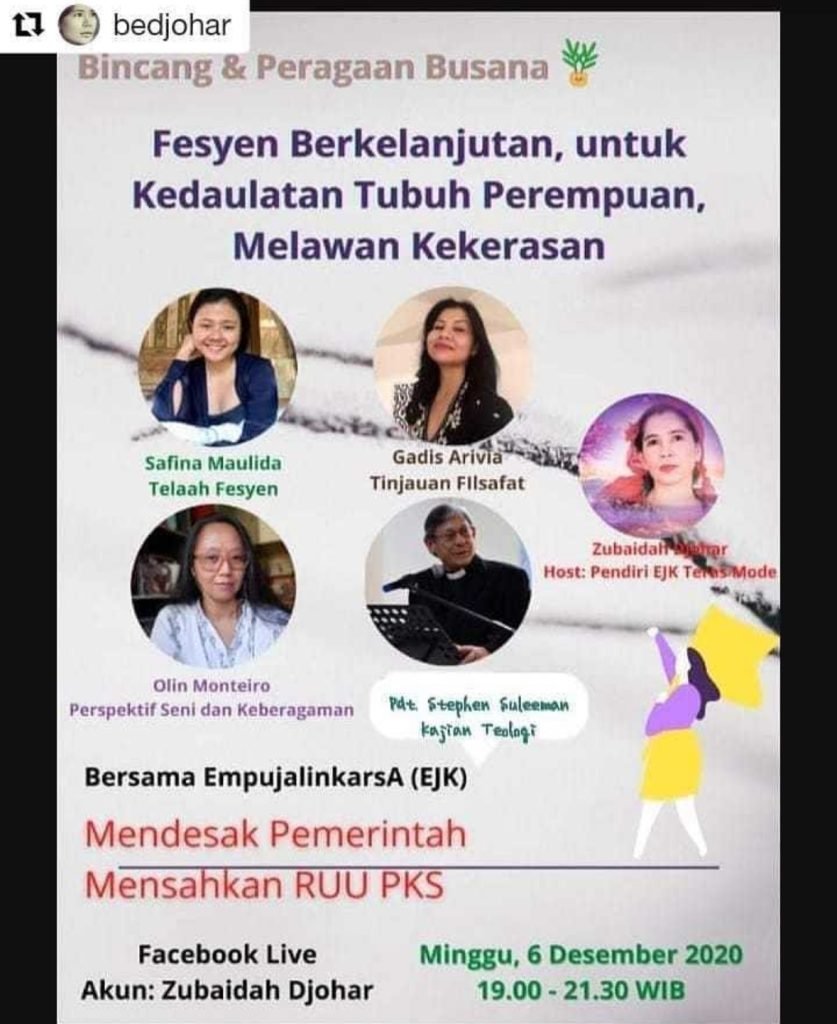
Jalinka stands in solidarity with the relentless movement against gender-based violence by hosting an insightful dialogue titled “Women’s Clothing, Women’s Choice, Women’s Sovereignty.” This distinctive conversation explores fashion as an expression of empowerment, resistance, and healing, weaving together perspectives from philosophy, contemporary art, theology, and inclusivity. Esteemed speakers include feminist scholar Gadis Arivia (Montgomery College, USA), democracy advocate and fashion activist Safina Maulida (Fashion Revolution Indonesia & Asia Democracy Network, Seoul), respected women’s rights activist and cultural producer Olin Monteiro, and a special tribute to the late Rev. Steven Suleeman, whose lifelong theological advocacy profoundly contributed to gender justice in Indonesia.
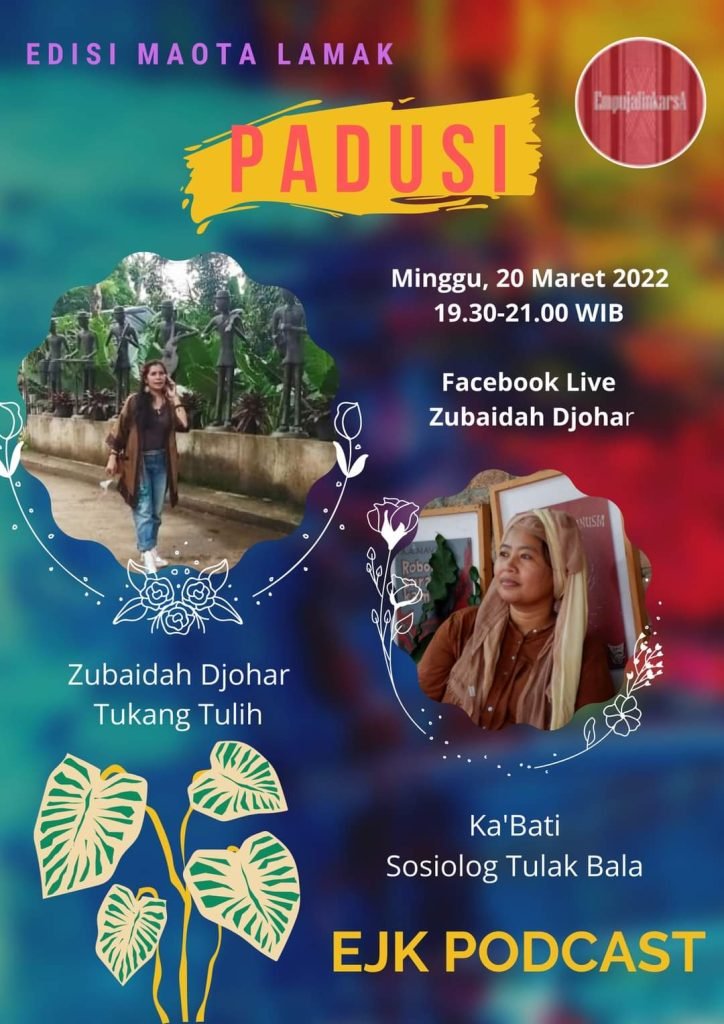
Jalinka Podcast: “Maota Sanganek, Mangunyah Nagari”
In its inaugural podcast, Jalinka presents a captivating dialogue with renowned sociologist and novelist Ka’Bati, author of Padusi, Ranah Minang Tacinto. Conducted in Indonesian with the rich flavor of Minangkabau, this episode explores cultural wisdom, traditions, and storytelling as pathways for community reflection and learning. Join us in a vibrant conversation, celebrating local knowledge with global resonance.